
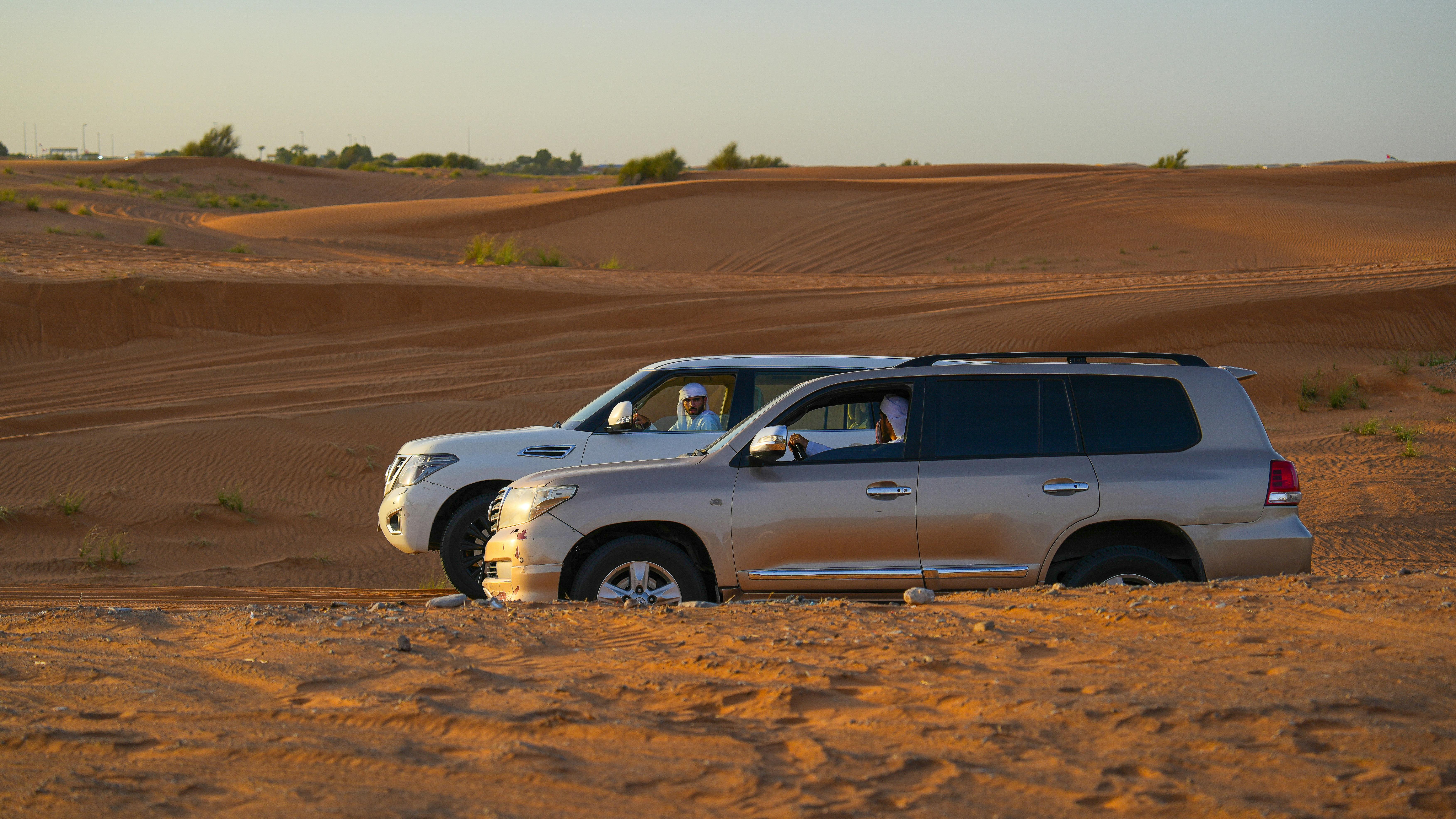
Towing capacity appears as a single headline figure, and it is the least useful of the several limits that actually govern what a vehicle may pull. The others constrain it in practice.
The quoted figure is a maximum under conditions
Maximum towing capacity is established under defined conditions, typically with a specified drivetrain, a particular hitch arrangement and often a driver and minimal payload.
The same model with a different engine, gearbox, axle ratio or roof equipment can carry a substantially lower figure.
Manufacturers publish these variations, but the headline number attaches to the most capable version and is the one that reaches advertising.
Gross combination weight is the binding limit
Every vehicle has a gross combination mass, which is the total permitted weight of vehicle and trailer together, fully loaded.
That figure is usually less than the vehicle's own maximum weight plus its maximum tow weight, so both maximums cannot be used at once.
A vehicle towing at capacity therefore often cannot also be carrying passengers and luggage, which is the constraint that catches people out.
Noseweight limits sit on the towbar itself
The vertical load a trailer applies at the coupling is limited separately, by the towbar rating, the vehicle's rear axle limit and the manufacturer's specification.
Too little noseweight allows the trailer to sway, and too much overloads the rear axle and lightens the steering, so the figure has a working range rather than a ceiling alone.
This load counts as payload, so a heavy trailer reduces how much the vehicle itself may carry before the towing has begun.
Licensing and legal limits are separate again
What a vehicle can pull mechanically and what a driver is permitted to tow are different questions, and the licence categories vary by country and by when the licence was issued.
Speed limits for vehicles towing trailers are frequently lower than for solo vehicles, and some road types restrict towing entirely.
Braked and unbraked trailer limits differ substantially, and trailer braking requirements are set by regulation rather than by the vehicle manufacturer. These rules change over time and by jurisdiction.
Capability is not only about weight
A vehicle at its limit will manage the load, but with reduced acceleration, longer stopping distances and considerably higher fuel consumption.
Cooling is the usual limiting factor on long climbs, and transmission temperature rather than engine power is what typically forces a reduction in pace.
Wheelbase and rear overhang influence stability more than outright capacity does, which is why a shorter vehicle at half its rating can feel less settled than a longer one near its own.