
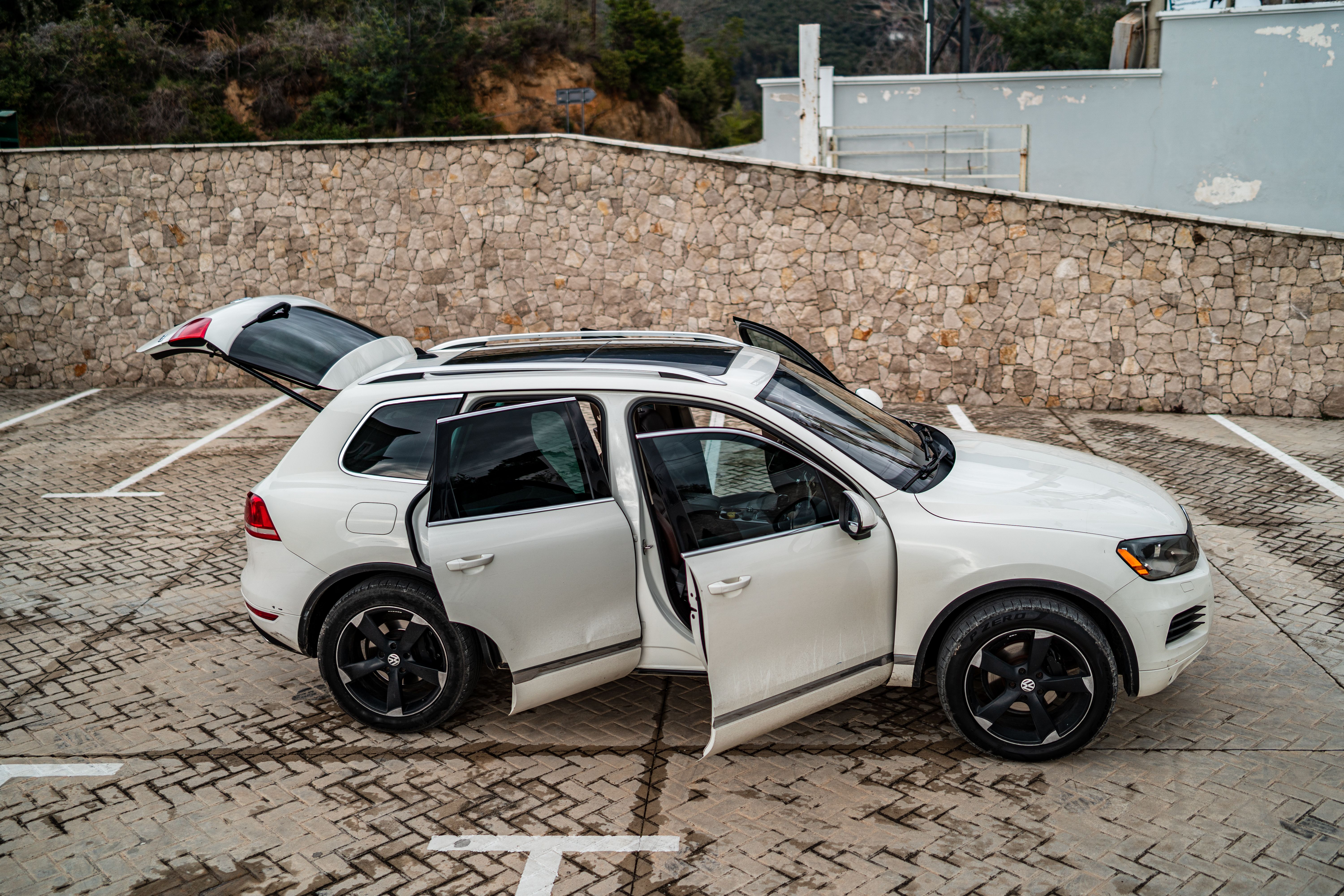
The midsize crossover became the default American family vehicle in about fifteen years. The reasons are practical and mostly have to do with how people get in, out and load up.
Hip height decides how easy entry feels
A sedan seat sits low, so getting in means lowering the body and then rising out of it. A crossover seat sits near standing hip height, so entry is closer to sitting on a chair.
That difference matters most for older passengers and for anyone strapping a child into a seat, which is exactly the buying population these vehicles target.
It also affects visibility. A higher eye point lets the driver see further over traffic, which most people read as feeling safer regardless of measured crash outcomes.
The tailgate changes what the vehicle can carry
A sedan trunk opening is a fixed rectangle above the bumper, so anything tall must be tilted through it or ride in the back seat.
A liftgate opens the full height of the cargo area, and folding rear seats extend the floor rather than opening a small pass-through.
Combined with a flat load floor, that turns occasional bulky loads from an obstacle into a non-event, which is the use case that decides many purchases.
The efficiency penalty is smaller than expected
A taller body has more frontal area and more drag, and higher ride height moves the center of gravity up, both of which cost efficiency and cornering ability.
Manufacturers offset much of it by building crossovers on car platforms with car powertrains, so the mechanical package is closer to a sedan than to a truck.
What remains is a modest fuel economy difference that most buyers accept in exchange for the packaging, which is why the sedan's efficiency advantage failed to hold the market.
Manufacturing economics reinforced the shift
Crossovers command higher transaction prices than sedans built on the same platform, so each unit contributes more margin for similar production cost.
Once demand tilted, plants were retooled accordingly, and reduced sedan capacity made the remaining sedans less price-competitive in a self-reinforcing loop.
Several manufacturers ended up withdrawing sedans from the American market entirely, which removed the option before some buyers had chosen against it.
All-wheel drive availability sealed it
Crossovers made all-wheel drive a routine option across price points, which matters in snow-belt states where a sedan buyer previously had to step up to a premium brand to get it.
The systems are usually front-drive based and engage only when slip is detected, so the everyday efficiency cost is small.
For a household choosing one vehicle to cover every condition, that combination of traction, height and cargo access answers more requirements than any alternative body style.