
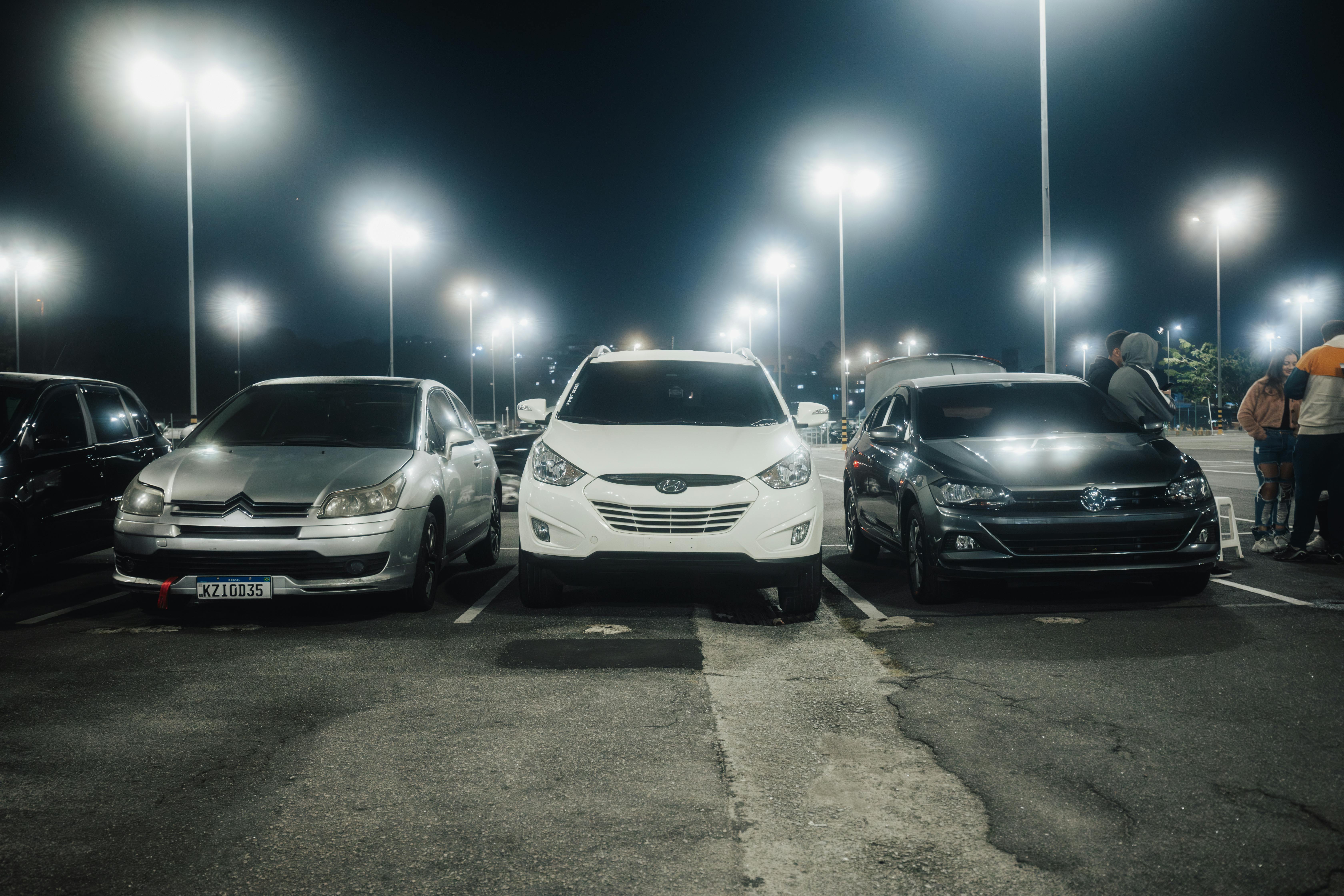
Manual transmissions dominated most markets within living memory and have become a minority choice in nearly all of them. Several separate pressures removed the reasons for choosing one.
The efficiency argument reversed
Manuals were long more economical because early automatics used torque converters that slipped, wasting energy as heat at every ratio.
Locking converters, more ratios and precise electronic control removed that loss, and modern automatics now generally shift closer to the ideal point than a person does.
Since regulations measure consumption and emissions on defined cycles, a transmission that shifts optimally every time is worth real figures to a manufacturer.
Assistance systems assume the car controls the drivetrain
Adaptive cruise control, automatic emergency braking and traffic assistance all need to change speed without the driver's cooperation.
A manual gearbox interrupts this, because the system cannot select a gear or prevent the engine stalling when it slows the car to a stop.
As these features became standard rather than optional, the manual became an obstacle to fitting equipment the car was expected to have.
Complexity and cost moved the other way
Offering both transmissions means two sets of certification, two crash configurations, two calibration programmes and two supply chains for a single model.
Where manual demand falls below a certain share, that duplication stops being economical, and the option is deleted at the next model update.
Residual values compound the effect. Once manuals become a minority, remarketing operations treat them as harder to sell, so leasing companies specify automatics and dealers order them, which reduces manual demand further without any individual buyer having changed their preference. The loop runs fastest in markets where most new vehicles are bought by businesses.
Once deleted, it rarely returns, because the engineering work to reinstate it would have to be justified by a demand that has by then declined further.
Electrification removed the requirement entirely
Electric motors produce usable torque from rest across a wide speed range, so a multi-ratio gearbox serves little purpose.
Hybrids use planetary or clutch arrangements that coordinate two power sources, and a driver-operated clutch has no role in that coordination.
As electrified drivetrains spread through mainstream ranges, the manual disappeared from those models by construction rather than by decision.
Where manuals continue to make sense
Small, inexpensive cars in markets where purchase price dominates still favour manuals, because the transmission is cheaper to build and to repair.
Sports and enthusiast models retain them for reasons of engagement rather than performance, since an automatic is faster in almost every measurable respect.
Motorcycles remain the clearest exception, where the manual gearbox is integral to the machine's architecture and the clutch is part of low-speed control rather than only of gear selection.