
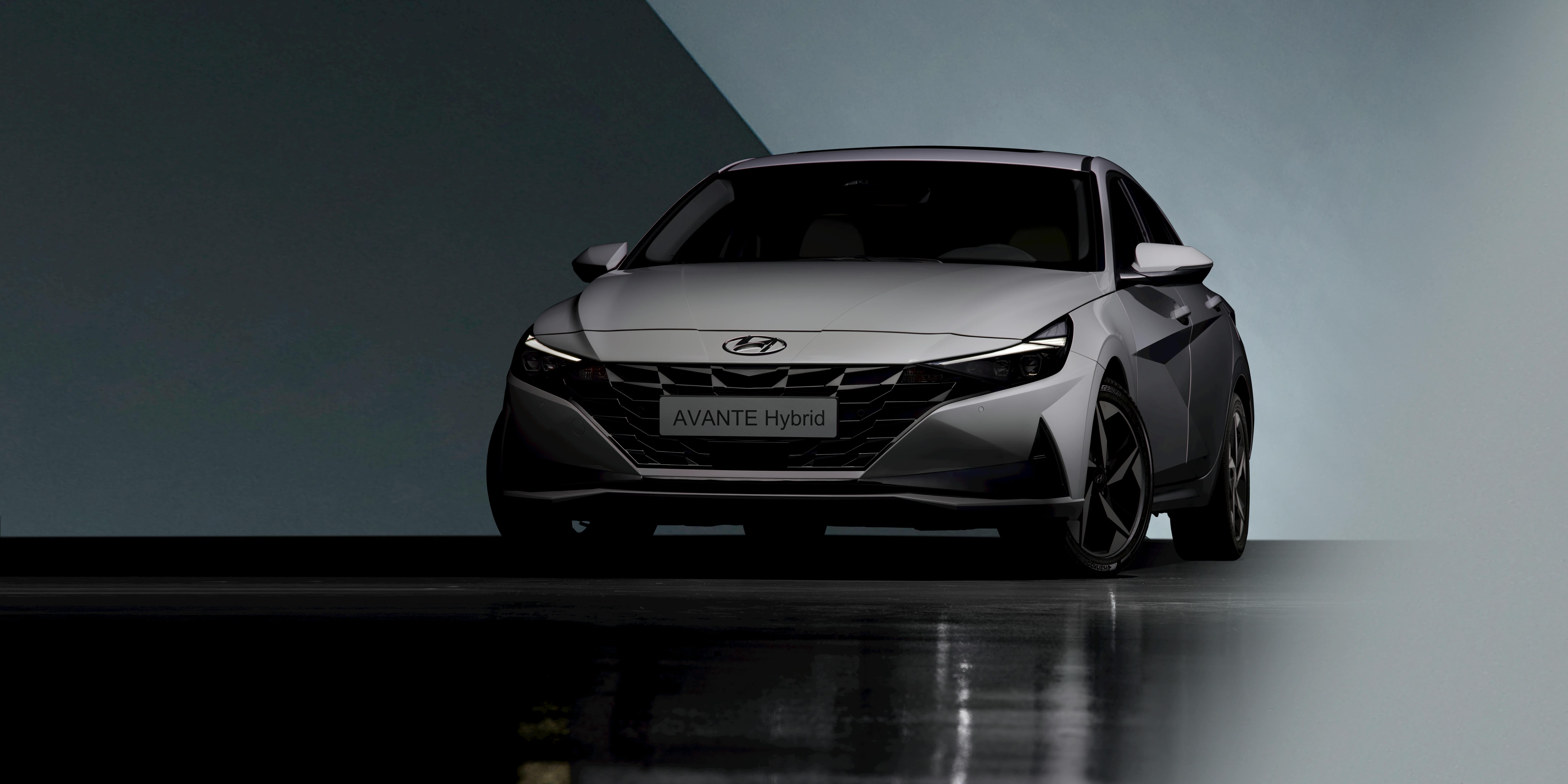
A full hybrid carries a battery a small fraction of the size of an electric vehicle's, yet delivers a large improvement in consumption. The battery is doing a different job.
The battery buffers energy rather than storing a journey
A hybrid battery captures energy from braking and releases it during acceleration, cycling repeatedly over short periods.
The amount needed for that is small, because the energy recovered in one deceleration is roughly the energy required for one acceleration.
Adding capacity beyond that provides nothing useful, since the extra cells would never be charged or discharged in normal operation.
Power matters more than capacity
What the system requires is the ability to move energy quickly, absorbing a heavy braking event and supplying a strong acceleration demand.
Cells optimised for high power delivery differ from cells optimised for maximum stored energy, and hybrid packs are specified for the former.
This is why hybrid batteries are often built from chemistries and cell formats that would be inappropriate in a fully electric vehicle.
A narrow state of charge window protects longevity
Hybrid control systems keep the battery within a middle band of charge, avoiding both full and empty, because the extremes accelerate degradation.
Only part of the nominal capacity is therefore ever used, which is why the usable figure is smaller still than the headline one.
Combined with constant moderate cycling rather than deep discharges, this is why hybrid batteries have generally proved durable over long service lives.
Weight and packaging discipline the size
Every kilogram of battery must be carried permanently, and beyond a point the mass costs more in consumption than the additional capacity saves.
A small pack fits under a seat or in the boot floor without redesigning the vehicle, allowing hybrid and conventional versions to share a platform.
That shared architecture is a substantial part of why hybrids reached mainstream prices, since the vehicle around the system barely changed.
Cooling requirements follow the same logic. A small pack cycling within a narrow band generates modest heat, so many hybrids manage it with air drawn from the cabin rather than a liquid circuit, which removes a pump, a radiator and a set of failure modes from the vehicle.
Where the fuel saving actually comes from
The battery enables the engine to be switched off when it would otherwise idle, and to be kept off during low-load running where it is least efficient.
It also lets the engine operate closer to its efficient region more often, with the motor absorbing or supplying the difference between what the engine produces and what the driver requests.
The gain therefore comes from changing when and how the engine runs, not from the vehicle travelling any meaningful distance on stored electricity.