
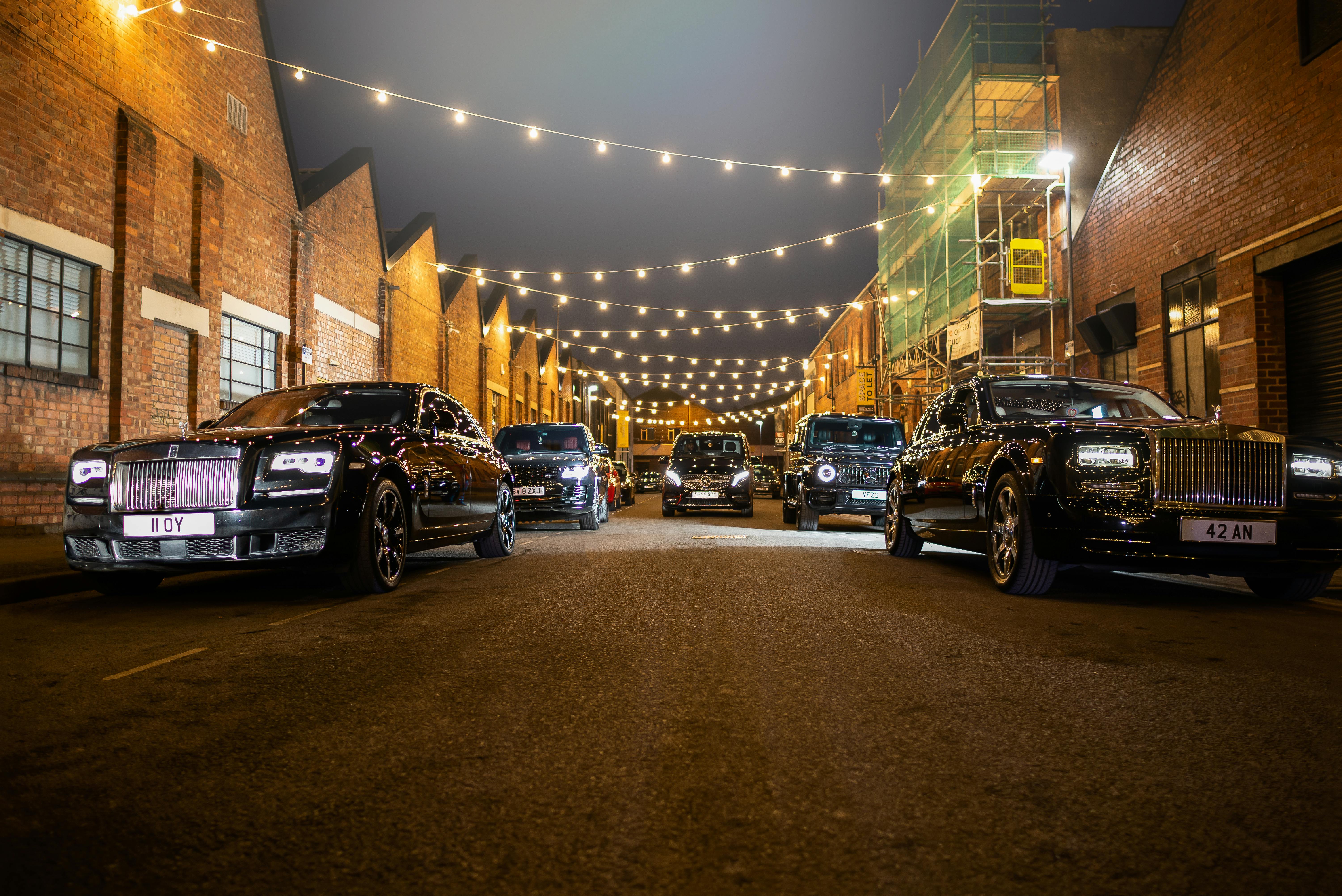
Waiting periods for individually specified luxury cars run far longer than for standard models. The delay is mostly not manufacturing time, it is the cost of departing from a repeating process.
Production lines are built on repetition
A modern assembly line achieves its quality and throughput by performing near-identical operations in a fixed sequence with pre-positioned parts.
A unique specification breaks that pattern, requiring parts that are not in the normal supply flow and operations the station was not sequenced for.
Manufacturers handle this by routing such cars through separate areas with longer cycle times, which means far fewer can be built in a given period.
Approval happens before anything is made
Bespoke colours, materials and trim combinations require sign-off, because a shade that works on a sample panel can look quite different across a full body.
Physical samples are produced and reviewed, often iteratively, and this exchange between customer, dealer and factory takes weeks before any build slot is allocated.
Durability requirements apply equally to bespoke items, so an unusual material must still pass wear, light-fastness and safety testing before it can be fitted.
Specialist materials have their own lead times
Hides are selected for consistency and freedom from blemishes, and a matched set for one interior may come from a specific batch that has to be sourced.
Wood veneers are cut so that grain patterns mirror across the cabin, which requires a single log section and careful sequencing of the cuts.
These processes cannot be compressed, since the drying, stabilising and finishing steps take the time they take regardless of how urgently the car is wanted.
Paint is the most demanding stage
A special colour may require a formulation to be developed and matched under several lighting conditions before it is approved.
Multi-layer finishes, hand-applied coach lines and contrasting elements each require additional passes through the paint shop with curing time between them.
Because paint faults are the most visible, inspection standards at this stage are the strictest, and rework restarts a substantial portion of the sequence.
Curing time is the fixed element. Each layer must cross-link fully before the next is applied, and forcing the process produces defects that surface months later as clouding or lifting, so the schedule is dictated by chemistry rather than by available capacity.
Scarcity is deliberate as well as practical
Manufacturers in this segment restrict volume intentionally, because rarity supports both the brand and residual values.
A waiting list also stabilises production planning, letting a company build to confirmed orders rather than to forecasts and stock.
The result is that the wait is partly a manufacturing reality and partly a commercial choice, and the two are difficult to separate from outside the company.