
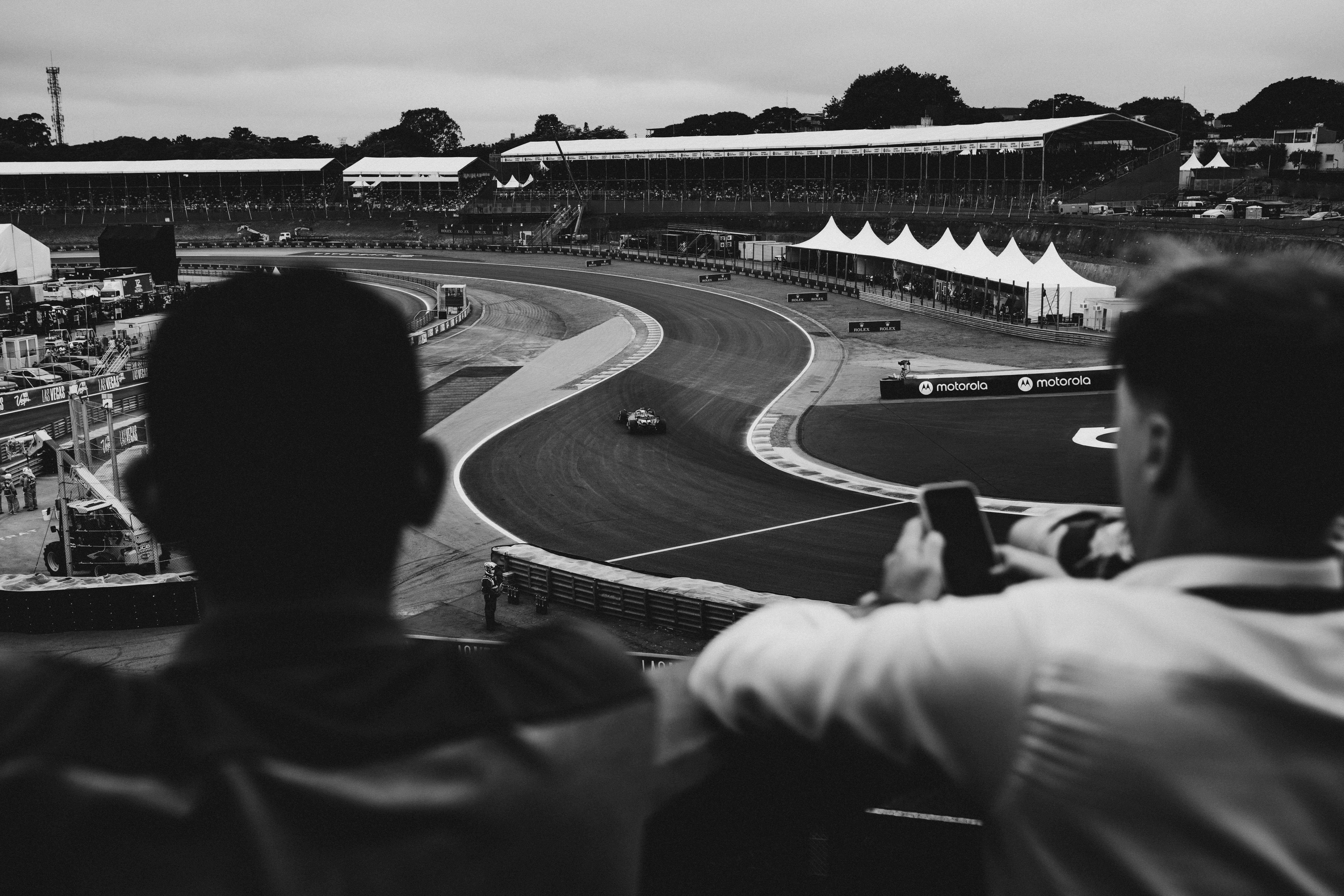
Discover how electric motorcycle racing is redefining speed, sustainability, and fan engagement in 2026. From MotoE's electrifying battles to emerging EWC Electric series, explore the best bikes, fan experiences, and investment opportunities in zero-emission motorsport, optimizing your engagement and potential returns.
Introduction to the Topic
The year is 2026, and the roar of internal combustion engines, while still iconic, is increasingly sharing the spotlight with a different kind of thunder – the silent, searing speed of electric motorcycles. What was once a niche curiosity has exploded into a global phenomenon, transforming motorsport at its very core. Electric motorcycle racing isn't just about speed; it's about pushing the boundaries of technology, sustainability, and raw rider skill in a zero-emission package. For enthusiasts, investors, and even casual fans, 2026 marks a pivotal year where electric bikes are not just competing, but dominating headlines and track records. This isn't just a trend; it's the future, and understanding it now is key to unlocking the best experiences and opportunities.
From the cutting-edge battery technology powering these machines to the strategic shifts required by riders and teams, every aspect of the sport is being re-evaluated. The noise may have diminished, but the spectacle, the drama, and the sheer adrenaline have amplified tenfold. We're witnessing a paradigm shift, one that promises a cleaner, faster, and arguably more exciting era of two-wheeled competition. Join us as we dive deep into the electrifying world of electric motorcycle racing, explore its current landscape, and guide you through the best ways to engage with this thrilling evolution.
Backgrounds & Facts
The journey of electric motorcycles in professional motorsport has been nothing short of meteoric. While experimental electric races existed for decades, the true turning point arrived with the FIM Enel MotoE World Championship, launched in 2019. Initially viewed as a support series, MotoE quickly showcased the incredible potential of electric propulsion. By 2026, MotoE has matured into a standalone championship boasting fierce competition and technological marvels like the Ducati V21L, capable of speeds exceeding 275 km/h and lap times rivaling mid-tier Moto2 machines on many circuits.
Beyond MotoE, the electric revolution has permeated other disciplines. The Endurance World Championship (EWC) now features an 'EWC Electric' class, challenging teams to master rapid battery swaps and optimize energy management over grueling hours. National championships across Europe and Asia have also adopted electric classes, fostering a new generation of talent and pushing development further. Manufacturers like Energica, Ducati, Triumph, and even emerging startups like 'Voltrax Performance' are pouring billions into R&D, not just for the track but for the trickle-down effect on their consumer road bikes. Battery technology, once the Achilles' heel, has seen exponential improvements. By 2026, energy density has increased by over 50% compared to 2019, while charging times have plummeted. Ultra-fast charging solutions mean a race-ready battery can be replenished in minutes, not hours, transforming pit stop strategies in endurance racing.
The environmental credentials are a major draw. With global initiatives pushing for decarbonization, electric motorsport offers a powerful platform to demonstrate sustainable high performance. This resonates deeply with a new generation of fans and corporate sponsors, eager to align with eco-conscious innovation without compromising on the thrill. The absence of exhaust emissions and significantly reduced noise pollution also opens up possibilities for racing in urban environments, bringing the spectacle closer to fans worldwide.
Expert Opinion / Analysis
"The strategic complexity of electric racing is exhilarating," states Dr. Elena Petrova, lead engineer for the Voltrax Racing Team. "It's not just about raw power; it's about intelligent energy management, regenerative braking optimization, and adapting riding style to instant torque delivery. A rider's ability to conserve energy for the final laps can be the difference between victory and defeat. We're seeing a new breed of cerebral racers emerge, blending physical prowess with data-driven decision-making."
Veteran MotoE rider, Matteo 'The Spark' Rossi, who transitioned from traditional racing, echoes this sentiment: "The initial learning curve was steep. The torque delivery is instantaneous, unlike anything an ICE bike offers. You have to re-learn throttle control, and the silence amplifies every sensation, every tire slip. But once you master it, it's incredibly rewarding. The bikes are getting faster every year, and the competition is absolutely brutal. Fans who think it's 'boring' because there's no noise simply haven't experienced the sheer speed and precision up close."
Industry analyst and motorsport commentator, Sarah Chen, notes the commercial impact: "The shift to electric has revitalized sponsorship interest. Brands are eager to associate with innovation, sustainability, and future-forward technology. We're seeing new tech companies, energy providers, and even AI firms entering the motorsport landscape, injecting significant capital. This increased investment is fueling further R&D, creating a virtuous cycle that benefits both the sport and the broader electric vehicle market. The purchasing intent among fans for associated electric products, from e-bikes to smart charging solutions, is higher than ever."
💰 Best Options in Comparison (VERY IMPORTANT)
Engaging with electric motorcycle racing in 2026 offers a multitude of exciting avenues, whether you're a dedicated fan, an aspiring rider, or seeking unique experiences. Here's a breakdown of the best options to consider:
- MotoE World Championship Fan Pass: The premier electric racing series. A season pass provides unparalleled access to live races, exclusive behind-the-scenes content, rider interviews, and technical deep-dives. Perfect for hardcore fans wanting to follow every electrifying moment.
- EWC Electric VIP Hospitality Package: Experience the endurance challenge up close. These packages offer paddock access, grid walks, and premium viewing areas for the EWC Electric class races. Witness the intense pit stops and strategic battery swaps firsthand.
- Electric Track Day Experience (e.g., 'Energica Corse' or 'Ducati eRace Academy'): For those with a purchasing intent for personal experience, several manufacturers now offer track day experiences on their race-derived electric superbikes. Get coached by former pros and feel the instant torque and silent speed for yourself. Prices vary based on duration and bike model.
- Subscription to 'BikesLoveZone Pro' (our own premium content service): Access exclusive race analysis, rider telemetry data, virtual reality race replays, and early bird access to event tickets across all major electric motorcycle racing series.
Comparative Overview of Electric Racing Engagement Options (2026)
| Option | Key Features | Primary Benefit | Estimated Price Range (USD) | Purchase/Booking Link |
|---|---|---|---|---|
| MotoE World Championship Fan Pass (Season) | Live & On-Demand Races, Exclusive Interviews, Technical Docs, Multi-camera views. | Comprehensive digital access to the premier electric series. | $120 - $180 | Book Now! |
| EWC Electric VIP Hospitality (Single Event) | Paddock Access, Grid Walk, Premium Viewing, Catering, Meet & Greet opportunities. | Immersive, luxury on-site experience at endurance races. | $800 - $2,500+ | Explore Packages |
| Electric Track Day (e.g., Energica Corse Experience) | Ride a race-spec electric superbike, professional coaching, safety gear provided. | Personal, adrenaline-pumping riding experience on a closed circuit. | $1,500 - $4,000+ | Book Your Ride! |
| BikesLoveZone Pro Subscription | Exclusive race analysis, VR replays, early event tickets, expert interviews. | Deepen your understanding and gain insider access to the electric racing world. | $79 - $149 (Annual) | Subscribe Now! |
Whether you're looking to passively enjoy the spectacle or actively participate in the electric revolution, these options provide diverse ways to connect with the future of motorcycle racing. Consider your budget and desired level of engagement to choose the perfect fit.
Outlook & Trends
Looking ahead, the trajectory for electric motorcycle racing in 2026 and beyond is nothing short of electrifying. We anticipate several key trends shaping its evolution:
- Full Electric MotoGP Class Integration: While MotoE serves as a crucial proving ground, the demand for a fully electric premier class within MotoGP is growing. By the end of the decade, it's highly probable we'll see electric prototypes competing alongside or even replacing traditional ICE machines in the top tier, especially with advancements in battery swap technology and range.
- Solid-State Battery Breakthroughs: Current lithium-ion technology is impressive, but solid-state batteries promise even greater energy density, faster charging, and enhanced safety. When these become viable for racing, they will unlock unprecedented performance levels, lighter bikes, and potentially longer race distances.
- AI-Driven Race Strategy & Rider Development: Artificial intelligence is already playing a role in data analysis, but its application will deepen. AI could provide real-time strategic recommendations during races, optimize energy usage based on track conditions, and even personalize training regimes for riders, accelerating skill development.
- Urban Racing & Fan Engagement: The reduced noise footprint of electric bikes makes urban street circuits more feasible, bringing racing directly to city centers. Coupled with augmented reality (AR) fan experiences, where spectators can see telemetry data overlaid on live action via their devices, fan engagement will reach new heights.
- Sustainable Charging Infrastructure: The focus won't just be on the bikes, but on how they're powered. Expect to see race events leveraging renewable energy sources (solar, wind) for their charging infrastructure, making the entire racing ecosystem truly carbon-neutral.
These trends highlight a future where electric motorcycle racing is not just an alternative, but the vanguard of motorsport innovation, attracting new talent, technologies, and a broader global audience.
Conclusion
The silent thunder of electric motorcycle racing is more than just a passing trend; it's a powerful statement about the future of speed, sustainability, and technological prowess. In 2026, the sport stands at a thrilling crossroads, offering unparalleled excitement for fans and significant opportunities for those looking to invest their time or resources. From the intense battles of MotoE to the strategic endurance challenges of EWC Electric, these machines are redefining what's possible on two wheels.
Whether you choose to immerse yourself with a comprehensive fan pass, experience the luxury of VIP hospitality, feel the raw power on an electric track day, or deepen your knowledge with a specialized subscription, there's a gateway into this electrifying world for everyone. Don't just watch from the sidelines; become a part of the revolution. The future of motorsport is here, it's electric, and it's waiting for you to plug in and experience the thrill. Engage with the silent thunder, and witness history in the making!