
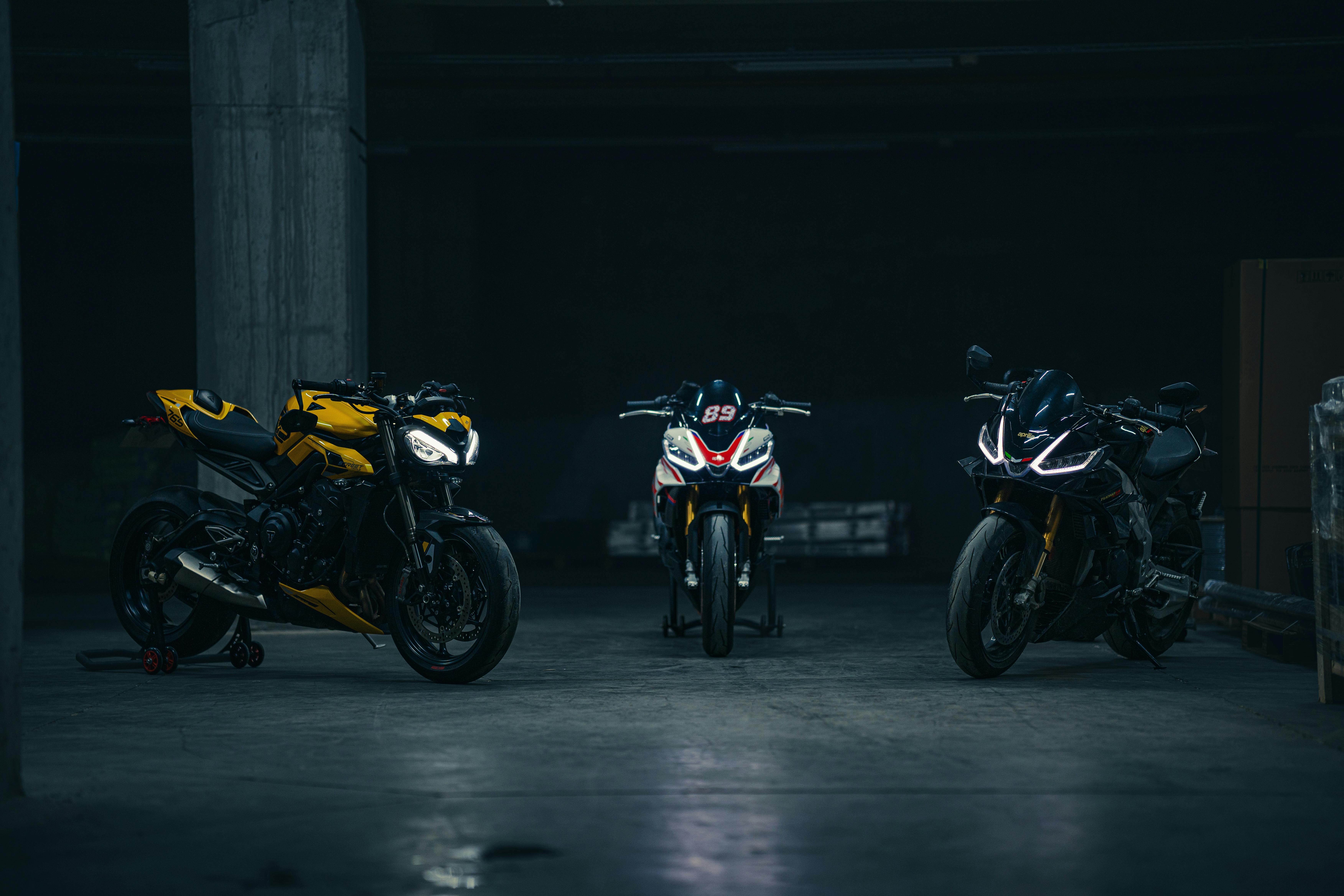
The year is 2026, and electric motorcycles are no longer a niche curiosity. With groundbreaking battery tech, ultra-fast charging networks, and performance that leaves gasoline bikes in the dust, the latest EV bikes are here to conquer range anxiety, revolutionize the riding experience, and offer unprecedented value. Discover the top models, critical comparisons, and why your next motorcycle might just be electric.
Introduction to the Topic
For years, the promise of electric motorcycles felt like a distant hum – exciting, but plagued by the nagging questions of range anxiety, lengthy charging times, and premium price tags. Fast forward to 2026, and that hum has transformed into a powerful roar. The electric revolution in the two-wheeled world is no longer a futuristic fantasy; it's a vibrant, tangible reality. Breakthroughs in battery chemistry, the proliferation of ultra-fast charging infrastructure, and sophisticated power management systems have converged to create a new generation of electric motorcycles that are not just viable alternatives but often superior choices for a vast spectrum of riders.
From exhilarating sportbikes that redefine instant torque to practical urban commuters offering unparalleled efficiency and adventure tourers ready for cross-country journeys, 2026's electric motorcycle landscape is diverse and compelling. This article will dive deep into how these machines have shattered previous limitations, explore the leading contenders, and analyze why now is the perfect time for both seasoned riders and newcomers to consider making the electrifying switch. Get ready to rethink everything you thought you knew about electric motorcycling.
Backgrounds & Facts
The journey of electric motorcycles from concept to contender has been arduous, marked by significant technological hurdles. Early models, while innovative, struggled with limited battery capacity, leading to frustratingly short ranges that made anything beyond urban commuting impractical. Charging infrastructure was sparse, and the hours required to replenish a battery made spontaneous long rides a logistical nightmare. Moreover, the initial cost often put them out of reach for the average consumer, while performance, though offering instant torque, sometimes lacked the sustained power or top-end thrill of their internal combustion counterparts.
However, the landscape has dramatically shifted by 2026. Key advancements include:
- Battery Density & Efficiency: Next-generation solid-state battery technology and improved lithium-ion chemistries have led to a significant increase in energy density, allowing for smaller, lighter battery packs that deliver substantially more range – often exceeding 200 real-world miles on a single charge for many premium models.
- Ultra-Fast Charging: The adoption of standardized fast-charging protocols, akin to CCS Combo 2 for cars, has revolutionized charging times. Many 2026 electric motorcycles can now achieve an 80% charge in as little as 20-30 minutes at dedicated Level 3 DC fast chargers, making pit stops comparable to refueling a gasoline bike. Proprietary networks by manufacturers like LiveWire and Zero also bolster this infrastructure.
- Performance & Weight Reduction: Advanced motor designs and intelligent thermal management systems deliver astonishing power-to-weight ratios. The instant, linear torque delivery characteristic of electric motors has been refined, providing not just blistering acceleration but also a smoother, more controllable powerband. Chassis designs are also increasingly optimized for EV powertrains, further improving handling.
- Total Cost of Ownership (TCO): While initial purchase prices can still be higher, reduced fuel costs (electricity is significantly cheaper per mile than gasoline), minimal maintenance requirements (no oil changes, spark plugs, or complex engine servicing), and often attractive government incentives (tax credits, rebates) make the TCO of electric motorcycles increasingly competitive.
These developments aren't just incremental; they represent a paradigm shift, effectively neutralizing the primary deterrents that once held back widespread electric motorcycle adoption. The market for EV bikes is projected to grow by over 35% annually through 2030, signaling a clear trajectory towards mainstream acceptance.
Expert Opinion / Analysis
"The year 2026 marks the undeniable tipping point for electric motorcycles," states Dr. Evelyn Reed, a leading automotive electrification analyst at Future Mobility Insights. "For a long time, the conversation was dominated by 'when' and 'if.' Now, it's about 'which one' and 'how soon can I get it?' The technological maturity has reached a critical mass where the benefits overwhelmingly outweigh the former drawbacks."
Dr. Reed elaborates on several key areas. "Performance is no longer a compromise; it's a highlight. The sheer exhilaration of instant, silent torque from a standstill is something every rider needs to experience. Modern traction control systems, combined with precise electronic throttle response, make these bikes incredibly engaging yet surprisingly easy to manage, even for new riders. Furthermore, the environmental advantages are clear. With increasing global focus on sustainability, choosing an electric motorcycle isn't just a personal preference; it's a conscious decision to reduce your carbon footprint and contribute to cleaner urban air."
She also points to the evolving rider demographic. "We're seeing a significant uptake from younger riders who are digitally native and environmentally conscious, but also from experienced riders seeking a fresh, high-tech riding experience without the noise, vibrations, and constant maintenance of traditional bikes. The reduced operating costs, especially with rising fuel prices, are a huge draw. Plus, with the integration of advanced rider assistance systems (ARAS) and sophisticated connectivity features, these aren't just motorcycles; they're smart devices on two wheels, enhancing safety and convenience like never before."
Dr. Reed concludes, "The industry has listened to consumer feedback and invested heavily in R&D. What we're witnessing in 2026 is the culmination of that effort: truly desirable electric motorcycles that deliver on performance, range, convenience, and sustainability, solidifying their place as a premier choice in the evolving world of motorcycling."
💰 Best Options in Comparison (VERY IMPORTANT)
With the electric motorcycle market heating up in 2026, choosing the right EV bike can be a thrilling yet challenging decision. Here's a look at some of the standout models defining the segments, perfect for riders with purchasing intent:
-
1. Arc Reactor X (Premium Sport)
The Arc Reactor X represents the pinnacle of electric sportbike engineering for 2026. Boasting a lightweight carbon-fiber chassis and a revolutionary liquid-cooled battery pack, it delivers blistering acceleration (0-60 mph in under 2.5 seconds) and a top speed exceeding 160 mph. Its advanced aerodynamic package and Öhlins active suspension system provide unparalleled handling on both track and road. Range anxiety is a distant memory, with a real-world highway range of 210 miles and an ultra-fast charge (0-80%) in just 20 minutes using its proprietary 800V architecture. Integrated ARAS includes adaptive cruise control, blind-spot monitoring, and cornering ABS, making it a performance machine with intelligent safety. Ideal for thrill-seekers and technology enthusiasts.
-
2. Zero SR/F 2026 Edition (Refined Naked/Sport)
Zero continues to lead the urban and sport-naked segment with its highly anticipated 2026 SR/F. This iteration refines an already excellent platform with a new 20 kWh 'Hyper-Core' battery, pushing its real-world range to an impressive 185 miles (combined). The SR/F maintains its iconic streetfighter aesthetics while integrating a more powerful Cypher III+ operating system for enhanced ride modes, predictive diagnostics, and seamless smartphone connectivity. Charging is robust, with an optional 6kW onboard charger and compatibility with CCS2 fast charging, achieving 0-80% in 35 minutes. Its comfortable ergonomics, instant torque, and precise handling make it perfect for dynamic urban commuting and spirited weekend rides. A fantastic blend of performance, practicality, and proven reliability.
-
3. LiveWire S2 Del Mar Tourer (Urban Cruiser/Light Touring)
Building on the success of the S2 Del Mar, LiveWire's 2026 Tourer variant expands its versatility, making it a compelling option for both city dwellers and those looking for light touring capabilities. Featuring a slightly larger 15 kWh battery, it offers a solid 160 miles of urban range and 120 miles on the highway, with an integrated Level 2 charger and DC fast charging capability (0-80% in 45 minutes). The Tourer adds a small windscreen, comfortable touring seat, and optional soft luggage mounts, enhancing its long-distance comfort. Its 'Arrow' architecture provides a nimble, responsive ride, and the distinctive LiveWire styling ensures you'll turn heads. This bike targets riders seeking a stylish, easy-to-manage electric cruiser with enough range for weekend escapes.
-
4. Energica Experia Rally (Adventure/Touring)
For the adventurous spirit, the 2026 Energica Experia Rally stands alone as the premier electric adventure tourer. Equipped with a massive 25 kWh battery, it shatters expectations with a class-leading real-world highway range of 220 miles (up to 260 city), making true electric long-distance travel a reality. Its robust chassis, long-travel suspension, and rider-friendly ergonomics are designed for comfort over varied terrain. Powerful motor output and advanced traction control ensure confidence on and off-road. CCS2 fast charging brings the battery from 0-80% in just 25 minutes, meaning less downtime and more exploration. The Experia Rally includes integrated heated grips, an adjustable windscreen, and spacious luggage capacity, positioning it as the ultimate electric choice for globe-trotters and off-road explorers.
To help you decide, here's a detailed comparison:
| Model | Price (USD est.) | Real-World Range (Combined/Highway) | Fast Charge (0-80%) | Max Power (hp) | Key Feature / Best For | Warranty (Battery) |
|---|---|---|---|---|---|---|
| Arc Reactor X | $35,000 - $40,000 | 210 miles (Highway) | 20 min | 180+ | Unrivaled Performance & Tech | 5 years / 60,000 miles |
| Zero SR/F 2026 Edition | $23,000 - $28,000 | 185 miles (Combined) | 35 min | 110 | Dynamic Urban & Sport Riding | 5 years / 100,000 miles |
| LiveWire S2 Del Mar Tourer | $19,000 - $22,000 | 160 miles (Urban), 120 (Highway) | 45 min | 80 | Stylish Urban Commuting & Light Touring | 5 years / 50,000 miles |
| Energica Experia Rally | $28,000 - $32,000 | 220 miles (Highway), 260 (City) | 25 min | 102 | Long-Distance Adventure & Touring | 4 years / 60,000 miles |
Outlook & Trends
The electric motorcycle revolution is far from over; it's just hitting its stride. Looking beyond 2026, several exciting trends are poised to further reshape the landscape:
- Solid-State Battery Dominance: While already appearing in some 2026 models, solid-state batteries will become the norm, offering even greater energy density, faster charging, improved safety, and potentially lower costs. This will push real-world ranges well beyond 300 miles for many segments.
- Vehicle-to-Grid (V2G) Integration: Expect electric motorcycles to become active participants in smart grids. V2G technology will allow bikes to feed stored energy back into the home or grid during peak demand, turning your motorcycle into a mobile power bank and generating revenue for owners.
- AI-Driven Rider Aids & Personalization: Beyond current ARAS, AI will enable predictive maintenance, highly personalized ride modes that adapt to rider style and road conditions, and advanced navigation systems that optimize routes based on charging availability and terrain.
- Modular & Swappable Battery Packs: For urban commuters and rental fleets, modular battery systems will gain traction, allowing riders to quickly swap out depleted batteries for fully charged ones at dedicated stations, effectively eliminating charging wait times.
- Subscription Models: We may see an increase in subscription services for battery upgrades, software features, or even the motorcycles themselves, offering more flexible ownership options and ensuring access to the latest technology.
- Charging Infrastructure Expansion: Governments and private entities will continue to invest heavily in charging networks, making fast chargers as ubiquitous as gas stations, further alleviating any remaining range anxiety.
These trends point towards a future where electric motorcycles are not only high-performing and convenient but also deeply integrated into our digital and sustainable lifestyles, offering unprecedented levels of connectivity, efficiency, and environmental responsibility.
Conclusion
The year 2026 unequivocally marks a pivotal moment for electric motorcycles. The persistent specters of range anxiety and arduous charging times have largely been banished by a wave of innovation in battery technology, charging infrastructure, and motor efficiency. What remains is a compelling proposition: electric motorcycles that offer exhilarating performance, significantly reduced running costs, minimal maintenance, and a cleaner, quieter ride.
Whether you're a seasoned rider craving cutting-edge technology and instant torque, or a new enthusiast looking for an accessible, eco-friendly entry into motorcycling, the options available today are more diverse and capable than ever before. From the track-ready prowess of the Arc Reactor X to the adventurous spirit of the Energica Experia Rally, there's an electric motorcycle perfectly suited for every riding style and need. The future of two-wheeled travel is electric, and it's here now, ready to electrify your ride and redefine your expectations. It's time to test ride the revolution.