
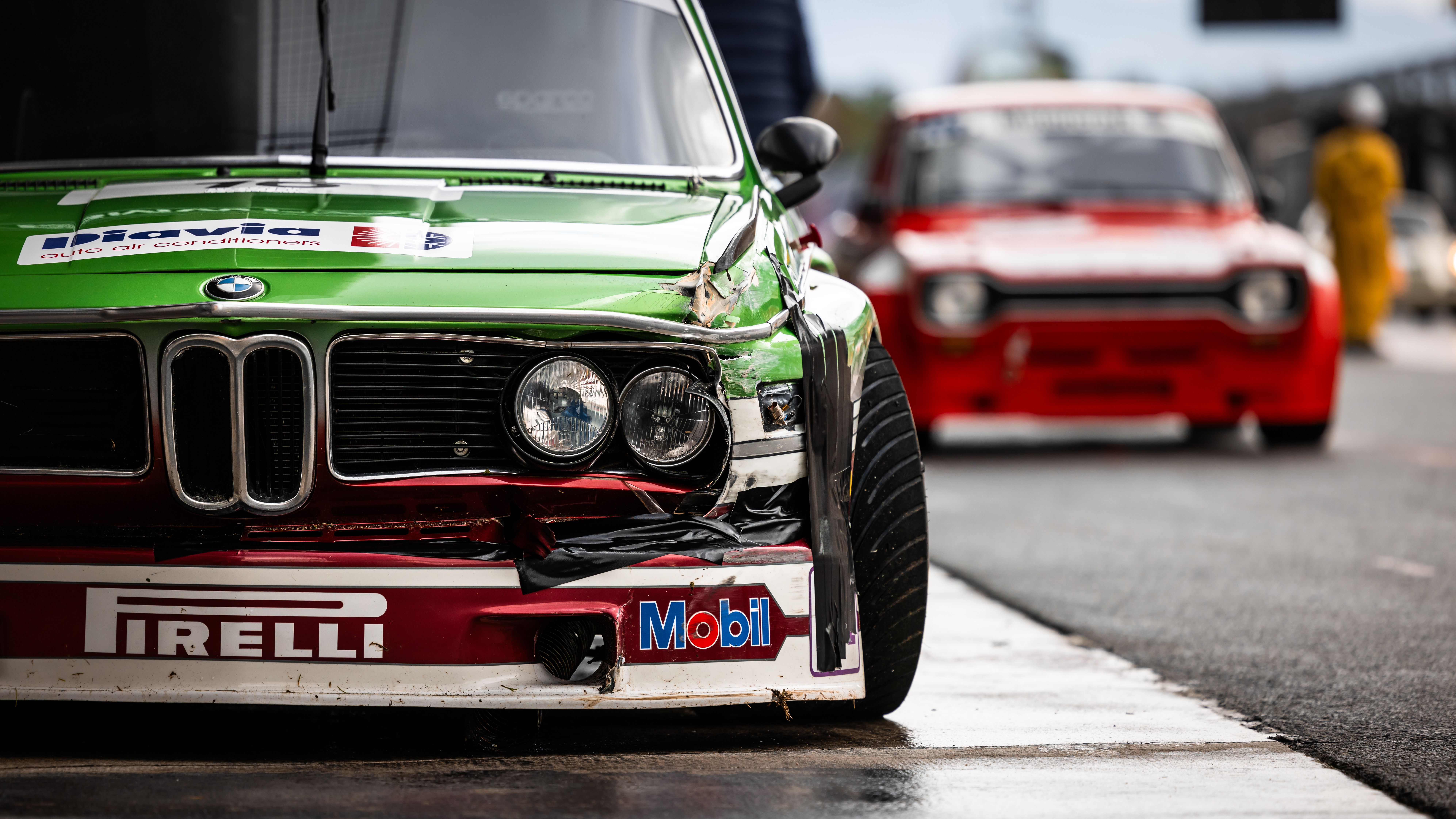
Older vehicles are frequently described as investments, which is true for a small number of specific cars and misleading for most.
What drives value
Rarity, provenance, condition and generational nostalgia.
Which is a mix of the objective and the entirely sentimental.
Auction results
Headline sales representing exceptional examples.
Which are not representative of the model's typical value.
Costs of holding
Storage, insurance, maintenance and restoration.
Which accumulate whether or not the value rises.
Liquidity
Selling can take months at the right price.
Which is a genuine constraint compared with financial assets.
Generational demand
Values tend to peak when buyers who wanted the car when new reach peak earnings.
Which is a well observed pattern with a predictable decline afterwards.
Cars from earlier eras have softened as their generation of buyers has aged out.
Condition grading
Standardised scales from concours to project.
Which produce very different values for the same model.
The gap between a good example and a project frequently exceeds restoration cost.
Restoration economics
Cost of work against value achieved.
Which for most vehicles does not add up.
Insurance and valuation
Agreed value policies rather than market value.
Which requires documentation and periodic revaluation.
The honest position
Buy one because you want it, and treat any appreciation as a bonus rather than a plan.
What the indices show
Published classic car indices tracking sale prices over time.
Which show substantial variation between segments and periods.
Broad indices conceal the fact that a small number of exceptional cars drive most of the headline growth.
Running an older vehicle
Parts availability, specialist labour and roadworthiness compliance.
Which vary enormously between popular and obscure models.
Strong owner club support materially reduces the difficulty.
Modern classics
Vehicles from recent decades entering the market.
Which carry electronic complexity that older classics do not.
Obsolete electronics are becoming the defining problem for this generation.
Usage restrictions
Emissions zones and fuel changes affecting older vehicles.
Which differ by jurisdiction and are tightening.
The practical advice
Buy the best example of something you want to drive, join the owners club, and budget for use rather than appreciation.
Why the investment framing misleads
Auction results are reported for exceptional cars and never for the ordinary examples that make up the market.
Which produces an impression of universal appreciation that the broader data does not support.
Many older vehicles have simply tracked inflation or fallen behind it while costing money to keep.
Transaction costs
Auction commission, transport, inspection and marketing.
Which are substantial relative to financial assets.
Provenance and documentation
History files, original documents and continuous records.
Which can account for a large proportion of the value on significant cars.
Fakes and misrepresentation
Rebodied, rebuilt and misdescribed vehicles.
Which is a real problem at the higher end and is why specialist inspection matters.
The realistic approach
Treat it as an expensive hobby with a possible upside, buy on condition and documentation, and enjoy driving it.
Where to research values
Auction result archives, club valuations and specialist insurers.
Which together give a far better picture than headline sale prices.
Sold prices matter; asking prices tell you what sellers hope for.
Storage
Dry, ventilated and secure.
Which prevents the corrosion and perishing that quietly destroy value.
Damp garages have ruined more classic cars than accidents have.
Using the car
Regular use keeping components in condition.
Which is also, for most owners, the entire point.
Documentation to keep
Every invoice, photographs of work, previous ownership records and original literature.
Which becomes part of the car's value.
The summary
A small number of classics have been excellent investments and most have not; buy for enjoyment, choose condition and history over price, and budget for the running costs honestly.
A general note on sources
Figures in this area come from manufacturer publications, regulator test programmes, insurance claims data and independent consumer testing, and those four sources do not always agree.
Where they conflict, the independent testing and the real-world claims data are usually the more reliable guide, because manufacturer figures are produced under conditions chosen by the manufacturer.
Anything specific to your own vehicle should be checked against its handbook and against a qualified technician familiar with the model, since specifications differ between markets and between production years in ways that general articles cannot capture.
Where to go for model-specific detail
Owner forums and marque specialists know more about any individual model than any general article can, including which components fail and roughly what the repair costs.
An hour reading before a purchase or a repair decision is consistently one of the better uses of time available to a vehicle owner.
One last practical habit
Keep a simple record for your own vehicle: what was done, when, at what mileage and by whom. It takes a folder and about five minutes a year.
It improves resale value, makes warranty and recall questions straightforward, and turns vague worries about condition into questions you can actually answer with a document rather than a guess.
Owners who do this rarely get caught out, and owners who do not almost always wish they had started earlier.