
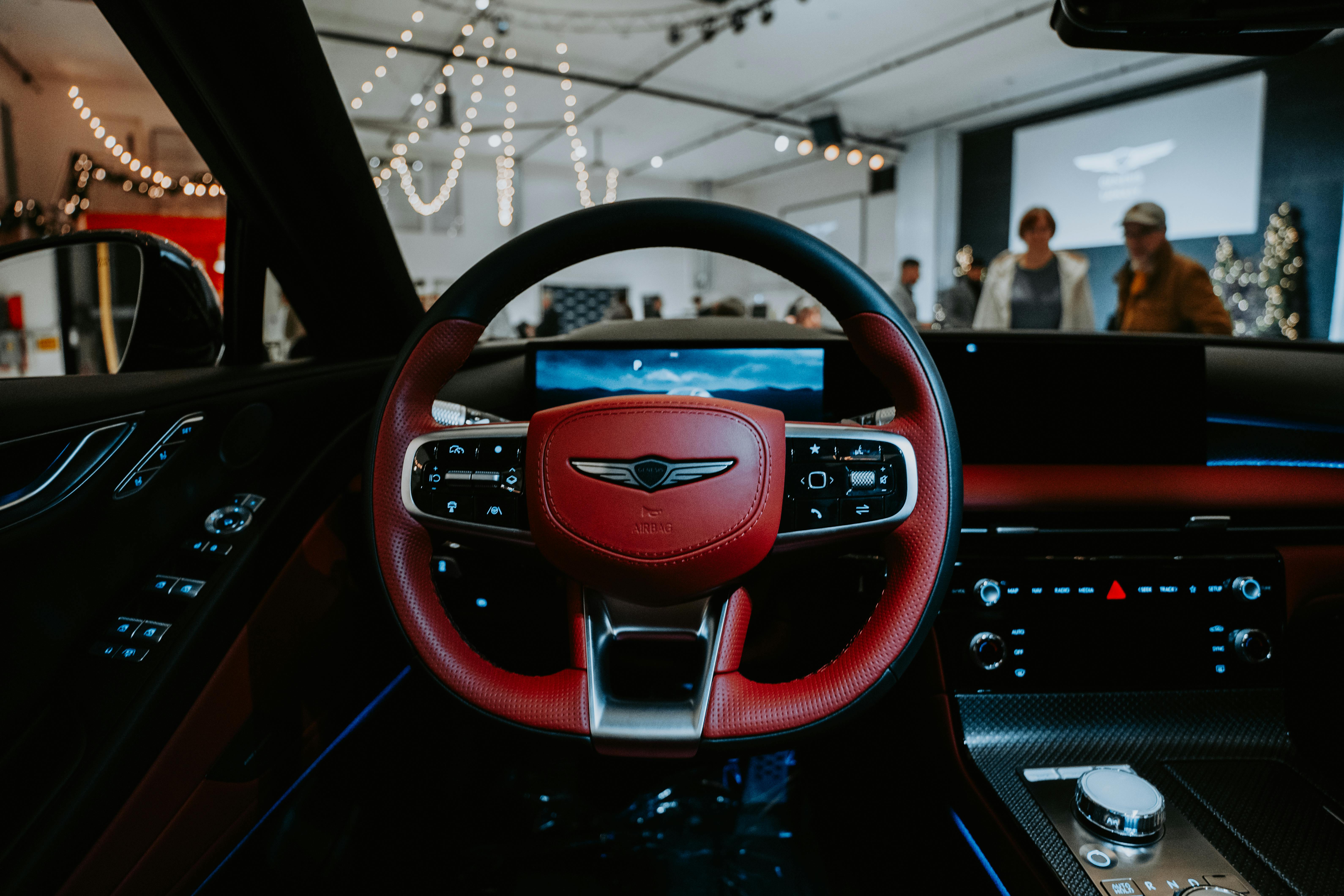
The electric vehicle (EV) landscape is on the cusp of a monumental shift. Discover how solid-state battery technology, poised for mass market integration by 2026, will revolutionize EV range, charging speed, safety, and affordability. Get ready to rethink your next car purchase with insights into the top contenders and what it means for current EV owners and future buyers.
Introduction to the Solid-State Revolution
For years, the promise of the electric vehicle has been tempered by lingering concerns: range anxiety, lengthy charging times, and the occasional headline about thermal incidents. While lithium-ion (Li-ion) batteries have been the workhorse, propelling us into the EV era, a new champion is emerging from the labs and test tracks: the solid-state battery. And make no mistake, 2026 is shaping up to be the pivotal year when this game-changing technology moves from scientific marvel to mainstream reality.
Here at BikesLoveZone.com, we’ve been tracking the pulse of automotive innovation, and the buzz around solid-state EVs is deafening. Imagine an electric car that can travel 700 miles on a single charge, refuel in less time than it takes to grab a coffee, and boasts an inherent safety profile that virtually eliminates fire risks. This isn't science fiction anymore; it's the imminent future, and it's set to redefine everything you thought you knew about electric driving. If you're considering a new EV purchase, or just curious about where the automotive world is headed, buckle up. The solid-state revolution isn't just coming; it's practically here, and it will fundamentally alter your car-buying decisions in 2026 and beyond.
Backgrounds & The Solid-State Facts
So, what exactly is a solid-state battery, and why is it such a monumental leap forward from the current Li-ion standard? The fundamental difference lies in the electrolyte. Traditional Li-ion batteries use a liquid or gel electrolyte to transport lithium ions between the anode and cathode. This liquid can be flammable, can degrade over time, and limits the energy density that can be packed into a given space.
Solid-state batteries, as the name suggests, replace this liquid with a solid material – typically a ceramic, glass, or polymer. This seemingly simple change unlocks a cascade of benefits:
- Superior Energy Density: Solid electrolytes allow for the use of lithium metal anodes, which can store significantly more energy than the graphite anodes in current Li-ion cells. This translates directly to dramatically increased range for EVs, potentially pushing well beyond 600-700 miles on a single charge.
- Blazing Fast Charging: The solid electrolyte can facilitate faster ion transfer, enabling charging speeds that were previously unthinkable. We're talking 10-80% charge in 10-15 minutes, rivaling or even surpassing the time it takes to fill a conventional gas tank.
- Enhanced Safety: Without flammable liquid electrolytes, the risk of thermal runaway and battery fires is drastically reduced, making solid-state batteries inherently safer. This is a huge selling point for consumer confidence and regulatory approval.
- Extended Lifespan: Solid electrolytes are generally more stable and less prone to degradation than their liquid counterparts, promising longer battery lifespans and better retention of capacity over thousands of charge cycles.
- Compact & Lighter Design: Higher energy density means smaller, lighter battery packs for the same or greater range, contributing to better vehicle dynamics, increased cargo space, and potentially lower overall vehicle weight.
The journey to commercial solid-state batteries has been long and arduous, fraught with challenges in manufacturing scalability, cost reduction, and ensuring stable interfaces between solid materials. However, major players like Toyota, QuantumScape, Solid Power, CATL, and Samsung SDI have poured billions into research and development. The consensus among industry insiders is that by 2026, we will see the first significant wave of production-ready, consumer-facing vehicles equipped with this groundbreaking technology, moving beyond limited pilot programs and into wider market availability.
Expert Opinion & Market Analysis: The Tipping Point
The automotive industry isn't just buzzing; it's bracing for impact. "2026 marks the true inflection point for solid-state batteries," states Dr. Anya Sharma, lead battery scientist at ElectroFuture Labs. "We've overcome significant hurdles in dendrite formation and interface resistance. What we're seeing now are prototypes achieving cycle life and power density metrics that make mass production viable and economically attractive. Early adopters will get a taste, but by 2027-2028, solid-state could become the industry benchmark."
Market analyst John Chen from AutoTrends Global corroborates this, emphasizing the strategic implications. "Manufacturers who successfully integrate solid-state at scale will gain an undeniable competitive edge. This isn't just about better specs; it's about eliminating the last major psychological barriers to EV adoption: range anxiety and charging inconvenience. For consumers, it means a more premium, reliable, and ultimately more desirable product. Expect a fierce battle for market share as companies vie to secure supply chains and manufacturing prowess."
The economic impact is also profound. As solid-state technology scales, production costs are projected to decrease, potentially leading to more affordable long-range EVs. This democratizes high-performance electric motoring, making it accessible to a broader demographic. Environmentally, the longer lifespan and potentially reduced reliance on certain critical minerals (depending on specific chemistries) could further enhance the sustainability credentials of EVs. The consensus is clear: solid-state batteries aren't just an incremental upgrade; they're a paradigm shift that will accelerate the global transition to sustainable transportation.
💰 Best Options in Comparison: Your 2026 Solid-State EV Buying Guide
As we approach 2026, several manufacturers are positioned to be at the forefront of the solid-state revolution. While specific model names might still be under wraps, based on current partnerships and public announcements, here are the top contenders and what you can expect:
-
Toyota bZ-SS (Projected)
Toyota has long been a quiet giant in solid-state research, holding more patents in the field than any other automaker. Their anticipated bZ-SS, likely an evolution of their bZ series, is expected to prioritize reliability, efficiency, and a truly astonishing range. Expect a practical, high-quality SUV or sedan designed for the mass market, showcasing Toyota's meticulous engineering.
- Key Solid-State Benefit: Unmatched reliability and a projected 700-800 miles EPA range.
- Target Audience: Mainstream consumers, families, long-distance commuters seeking ultimate peace of mind.
- Estimated Price Range: $68,000 - $85,000 (pre-incentives).
- Availability: Limited rollout late 2026, wider availability 2027.
-
QuantumScape-Powered Luxury EV (e.g., Porsche Macan EV 'Solid-State Edition' or Audi Q6 e-tron 'QS')
QuantumScape, backed by Volkswagen Group, is pushing the boundaries of performance and charging speed. We anticipate their technology to debut in a high-performance luxury EV from brands like Porsche or Audi. This will be a showcase for bleeding-edge acceleration, dynamic handling, and ultra-fast charging capabilities, appealing to the discerning enthusiast.
- Key Solid-State Benefit: Hyper-fast charging (10-80% in under 10 minutes) and exhilarating performance.
- Target Audience: Luxury EV buyers, performance enthusiasts, early adopters seeking cutting-edge tech.
- Estimated Price Range: $110,000 - $150,000+.
- Availability: Highly limited production late 2026, exclusive markets.
-
Solid Power-Equipped Utility Vehicle (e.g., BMW iX 'Solid-State Concept' or Ford F-150 Lightning 'Endurance')
Solid Power, with strong partnerships with BMW and Ford, is focused on robust, durable solid-state solutions suitable for larger vehicles and commercial applications. Expect their tech to appear in premium SUVs or electric trucks, offering impressive range and rapid charging crucial for heavy-duty use or adventurous lifestyles.
- Key Solid-State Benefit: Exceptional durability, extended lifespan (350,000+ miles), and fast charging for utility.
- Target Audience: SUV/truck buyers, fleet operators, those needing reliable power for towing and demanding conditions.
- Estimated Price Range: $65,000 - $95,000.
- Availability: Pilot programs expanding to select markets late 2026.
To help you visualize the generational leap, here's a comparison table between today's top Li-ion EVs and the projected solid-state pioneers:
| Feature | Current Li-ion Benchmark (e.g., 2026 Lucid Air Grand Touring) | Toyota bZ-SS (Projected) | QuantumScape Luxury EV (Projected) | Solid Power Utility EV (Projected) |
|---|---|---|---|---|
| Battery Type | Advanced Lithium-ion (NMC/LFP) | Solid-State | Solid-State | Solid-State |
| Est. Range (EPA) | 450-500 miles | 700-800 miles | 650-750 miles | 600-700 miles |
| 0-60 mph | 2.8 - 3.5 seconds | 4.0 - 5.0 seconds | 2.5 - 3.0 seconds | 5.0 - 6.5 seconds |
| Charge Time (10-80% DC Fast) | 20-25 mins (350kW+) | 10-12 mins (Ultra-fast DC) | 8-10 mins (Hyper-fast DC) | 12-15 mins (Ultra-fast DC) |
| Battery Longevity (Est. Miles) | 150,000 - 200,000 miles | 300,000+ miles | 250,000+ miles | 350,000+ miles |
| Safety Rating | High (Liquid Electrolyte Risk Mitigated) | Ultra-High (Virtually Zero Thermal Runaway Risk) | Ultra-High (Virtually Zero Thermal Runaway Risk) | Ultra-High (Virtually Zero Thermal Runaway Risk) |
| Est. Starting Price (2026) | $90,000 - $110,000 | $68,000 - $85,000 | $110,000 - $150,000+ | $65,000 - $95,000 |
Outlook & Future Trends Beyond 2026
The solid-state battery revolution won't stop at initial commercialization in 2026. The years following will see rapid advancements and broader integration. We anticipate:
- Cost Parity & Mass Adoption: As manufacturing processes mature and economies of scale kick in, solid-state batteries are expected to reach cost parity with, and eventually surpass, Li-ion in terms of value proposition. This will accelerate mass adoption across all vehicle segments, from compact city cars to heavy-duty trucks.
- Infrastructure Evolution: While solid-state batteries reduce range anxiety, the demand for ultra-fast charging will persist. Charging networks will need to upgrade to support the even higher power delivery required for sub-10-minute charges, though less frequently.
- New Vehicle Architectures: Smaller, lighter, and safer battery packs will free up designers to create entirely new vehicle form factors, potentially leading to more aerodynamic, spacious, or even modular car designs.
- Second-Life Applications: The extended lifespan and inherent stability of solid-state batteries make them ideal candidates for second-life applications in grid storage, home energy systems, and other stationary power solutions, further enhancing their environmental benefits.
- Enhanced Autonomous Capabilities: Lighter vehicles with more efficient power delivery can better support the energy demands of advanced sensor arrays and AI computing necessary for Level 4 and 5 autonomous driving systems.
The innovation doesn't stop with solid-state. Researchers are already exploring next-generation chemistries like lithium-sulfur and sodium-ion, but for the next decade, solid-state is set to be the dominant transformative force in EV technology.
Conclusion: Is 2026 the Year to Buy Your EV?
The answer is a resounding 'maybe,' depending on your priorities. If you're in immediate need of an EV, today's lithium-ion offerings are incredibly capable. However, if you can wait, 2026 promises a leap forward that will fundamentally change the EV ownership experience. The advent of solid-state batteries means:
- Unprecedented Range: Say goodbye to range anxiety forever.
- Lightning-Fast Charging: Refuel faster than a gas car.
- Superior Safety: Drive with enhanced peace of mind.
- Longer Vehicle Lifespan: Your EV will last longer and hold its value better.
For those with purchasing intent, we strongly recommend keeping a close eye on announcements from Toyota, the VW Group (Porsche, Audi), BMW, and Ford throughout 2025 and early 2026. Pre-orders for initial solid-state models are likely to open quickly and sell out fast. Consider booking a test drive as soon as these revolutionary vehicles hit showrooms.
The solid-state battery is not just an incremental improvement; it's the missing piece that will solidify the EV's dominance in the automotive market for decades to come. Get ready for a driving experience that is safer, more convenient, and more exhilarating than ever before. The future of electric cars is bright, and it's powered by solid-state.