
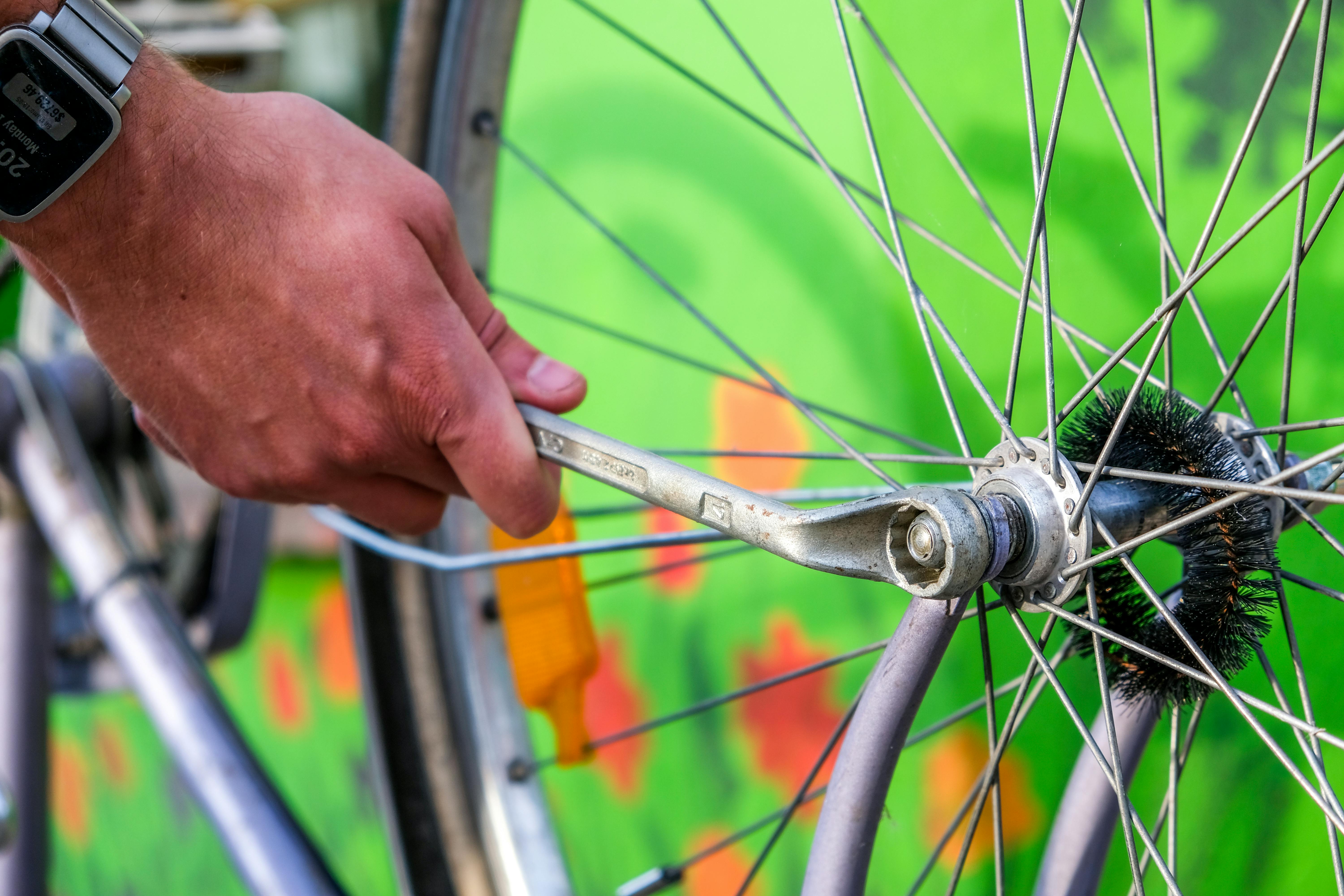
Unlock peak performance and drastically cut repair costs with cutting-edge smart predictive maintenance systems. Discover how AI-powered sensors and advanced diagnostics for e-bikes and high-performance road bikes are revolutionizing bike care, extending component life, and ensuring unparalleled safety. Compare the top integrated, aftermarket, and professional solutions to make the smartest investment for your ride today!
Introduction to the Topic
Welcome to 2026, where the hum of an e-bike motor and the whisper of a high-performance road bike chain are no longer just sounds of the ride, but data points. The days of reactive maintenance – fixing things only when they break – are rapidly becoming a relic of the past. As our bikes become more sophisticated, integrating complex electronics, advanced materials, and precise engineering, the need for equally sophisticated care has never been greater. Enter the era of Smart Predictive Maintenance (SPM).
For riders of e-bikes and high-performance road machines, SPM isn't just a luxury; it's an essential strategy for maximizing performance, ensuring safety, and critically, saving significant money in the long run. Imagine a system that tells you a bearing is about to fail weeks before it seizes, or that your chain is precisely 80% worn, signaling the optimal time for replacement to prevent costly damage to your cassette and chainrings. This isn't science fiction; it's the present reality, and it's transforming how we interact with our beloved bikes. This article will dive deep into the world of SPM, exploring its benefits, the leading options available, and how you can integrate this revolutionary approach into your bike care routine.
Backgrounds & Facts
The evolution of bicycle technology, particularly in e-bikes and high-performance road bikes, has outpaced traditional maintenance practices. Modern e-bikes, with their intricate motor systems, advanced battery management, and integrated electronics, present a diagnostic challenge far beyond a simple cable adjustment. Similarly, high-performance road bikes rely on ultra-light, precision-engineered components that, while offering unparalleled efficiency, are often more susceptible to wear and tear if not meticulously maintained. A worn chain on a 12-speed electronic groupset, for instance, can quickly escalate from a minor issue to hundreds of dollars in component replacement if not addressed proactively.
Industry data from 2025 indicated that preventable mechanical failures accounted for nearly 40% of all workshop visits for e-bikes and high-end road bikes, costing riders an average of $350 annually in unexpected repairs. Furthermore, suboptimal maintenance directly impacts performance; studies have shown that a poorly lubricated or worn drivetrain can reduce power transfer by up to 10%, directly affecting speed and efficiency. The shift towards SPM is a direct response to these challenges. By leveraging an array of sensors – from vibration and temperature monitors to advanced chain wear detectors and tire pressure gauges – SPM systems collect real-time data on your bike's health. This data, often processed by AI algorithms, can identify subtle deviations from normal operating parameters, predicting potential failures long before they manifest as critical issues.
The concept isn't entirely new; industries like aviation and manufacturing have employed predictive maintenance for decades. What's new is its accessibility and sophistication for individual cyclists. The “Internet of Bikes” (IoB) is no longer a futuristic concept but a burgeoning reality, connecting bikes, riders, and service providers through a network of smart devices and data analytics. This technological leap promises not only to extend the lifespan of expensive components but also to elevate the safety and reliability of every ride.
Expert Opinion / Analysis
“The transition to predictive maintenance is the single biggest game-changer we've seen in bike care this decade,” states Dr. Anya Sharma, a lead engineer at CycleSense Innovations, a company specializing in IoT solutions for cycling. “For years, riders relied on visual inspections or the tell-tale squeak to signal a problem. Now, our sensors can detect microscopic vibrations indicating bearing fatigue, or precisely measure chain elongation to the hundredth of a millimeter, giving riders and mechanics ample warning.”
According to Marcos 'Mac' Rodriguez, owner of 'The Performance Pit Stop' and a veteran bike mechanic for over 25 years, “My workshop has adopted several SPM diagnostic tools in the last two years, and the difference is stark. We're seeing bikes come in for proactive service based on app alerts, rather than being towed in with a catastrophic failure. This means less downtime for the rider, often a simpler and cheaper repair, and a much happier customer. For e-bikes, monitoring battery health, motor temperature, and firmware status remotely is invaluable. It helps us prevent thermal runaway issues and optimize battery lifespan, which is a huge cost saving for owners.”
The benefits extend beyond mere repairs. “Predictive maintenance is also about optimizing performance,” adds Rodriguez. “Knowing exactly when your chain is due for replacement ensures you're always riding with maximum drivetrain efficiency. Knowing your tire pressure is perfectly maintained, even after temperature drops, means optimal grip and rolling resistance. It's about maintaining peak condition, not just preventing breakdowns.”
However, experts also caution against over-reliance. “While the technology is incredibly powerful, it's a tool, not a replacement for good riding habits or occasional human inspection,” advises Dr. Sharma. “There's also the initial investment and potential for subscription fees, which riders need to factor into their budget. But when you compare that to the cost of replacing an entire drivetrain or a burnt-out e-bike motor, the ROI is overwhelmingly positive.”
💰 Best Options in Comparison (VERY IMPORTANT)
Navigating the burgeoning market of smart predictive maintenance can seem daunting, but it essentially breaks down into three main categories. Each offers unique advantages depending on your bike, your budget, and your technical comfort level.
-
Option 1: Integrated OEM Systems
These are manufacturer-specific diagnostic tools often built directly into your e-bike's motor system or high-end electronic groupsets. Brands like Bosch (Smart System), Shimano (E-Tube Project for Di2/EP8), and SRAM (AXS App) offer proprietary connectivity that allows for firmware updates, error code diagnostics, battery health monitoring, and even component wear insights directly through their respective apps. These systems are highly integrated and offer deep insights into their specific components, making them ideal for owners of bikes with these advanced groupsets or e-bike motors. They're often 'always on' and seamlessly part of your riding ecosystem.
-
Option 2: Aftermarket Universal Smart Sensors & Apps
For riders seeking predictive insights without being tied to a specific brand ecosystem, a growing number of aftermarket solutions are available. These often involve small, discreet sensors that attach to various parts of your bike (e.g., chainstay for vibration analysis, valves for tire pressure, specific chain links for wear detection). Companies like 'RideSense AI Pro' (hypothetical, but representative of emerging tech) offer kits with various sensors that communicate with a central app, providing alerts for chain wear, bearing health, tire pressure fluctuations, and even general component fatigue. These systems are typically DIY installable and offer flexibility across different bike brands and types, perfect for the tech-savvy enthusiast.
-
Option 3: Professional Predictive Maintenance Services
Many high-end bike workshops are now offering subscription-based or advanced diagnostic services utilizing sophisticated third-party software and hardware. These services often employ advanced acoustic analysis, thermal imaging, and specialized diagnostic tools that go beyond what consumer-grade sensors can offer. Think of it as an annual 'health check' for your bike, where trained technicians use 'BikeDoctor AI Pro' (hypothetical) or similar professional systems to perform deep dives into every component, providing a comprehensive health report and a predictive maintenance schedule. This option is ideal for riders who prefer professional hands-on care and want the most thorough predictive insights without the hassle of managing sensors themselves.
To help you compare, here's a breakdown of these top options:
| Feature / System | Integrated OEM (e.g., Bosch Smart System) | Aftermarket Universal (e.g., RideSense AI Pro Kit) | Pro Workshop Service (e.g., "BikeDoctor AI" Annual Plan) |
|---|---|---|---|
| Primary Focus | Motor/Battery/Gears, System Health | Wear & Tear, Pressure, General Component Health | Comprehensive Deep Diagnostics, Professional Advice |
| Compatibility | Specific Brand Ecosystem (e.g., Bosch motors, Shimano Di2) | Universal (most e-bikes and road bikes) | Any bike (requires shop visit) |
| Key Diagnostics | Motor errors, battery degradation, gear shifting data, firmware status | Chain wear, tire pressure, bearing health, vibration analysis, suspension health | Deep component analysis, predictive failure, software updates, safety checks |
| Installation | Factory integrated (included with bike/components) | DIY (sensors attach easily to bike) | Professional only (performed by certified mechanics) |
| Data Access | Manufacturer's dedicated app | Dedicated aftermarket app (with alerts) | Shop portal, detailed user report (physical/digital) |
| Cost (2026 Est.) | Included with bike/components, app often free | $150-$400 (initial kit), $5-10/month (optional premium subscription) | $100-$300 (annual plan, depending on depth) |
| Target User | E-bike/High-end component owners seeking integrated insights | Tech-savvy DIYers, performance riders across brands | Any rider valuing comprehensive, professional, hands-off care |
| Purchasing Intent | Influences bike purchase decision, feature comparison | Direct product purchase, subscription for advanced features | Service booking, annual maintenance plan commitment |
Outlook & Trends
The future of smart predictive maintenance for bikes is brimming with exciting possibilities. We anticipate even deeper integration of AI and machine learning, moving beyond simple data analysis to truly intelligent systems that can learn from your unique riding style, terrain, and environmental conditions. Imagine a system that not only tells you your chain is worn but also suggests optimal replacement intervals based on your historical power output and average mileage in wet conditions.
Standardization of data protocols will be a key trend, allowing different sensors and OEM systems to communicate more seamlessly, creating a truly holistic view of your bike's health regardless of component brand. We'll also see a rise in subscription-based 'bike health' plans, where local bike shops partner with technology providers to offer continuous monitoring and scheduled proactive maintenance, similar to car service plans.
Furthermore, the data generated by SPM systems will likely impact the resale value of bikes. A bike with a meticulously documented, AI-driven maintenance history will undoubtedly command a higher price and offer greater peace of mind to its next owner. Expect virtual reality (VR) or augmented reality (AR) overlays to assist with DIY diagnostics, guiding users through sensor installation or basic troubleshooting steps based on predictive alerts. The goal is clear: to make bike ownership more reliable, more efficient, and ultimately, more enjoyable for everyone.
Conclusion
In 2026, embracing smart predictive maintenance isn't just about keeping up with the latest tech; it's about making a strategic investment in the longevity, performance, and safety of your e-bike or high-performance road bike. The days of guessing when to service your bike are over. With integrated OEM systems, versatile aftermarket sensors, or comprehensive professional services, you have an unprecedented array of tools at your disposal to proactively manage your bike's health.
By shifting from reactive repairs to predictive care, you'll not only extend the life of expensive components and optimize your riding experience but also significantly reduce unexpected costs and downtime. Take the leap into intelligent bike care. Explore the options discussed, visit your local bikeslovezone.com recommended dealer, and ask about their predictive maintenance solutions. Your bike – and your wallet – will thank you for it. Don't just ride; ride smart, ride safe, and ride future-proof!