
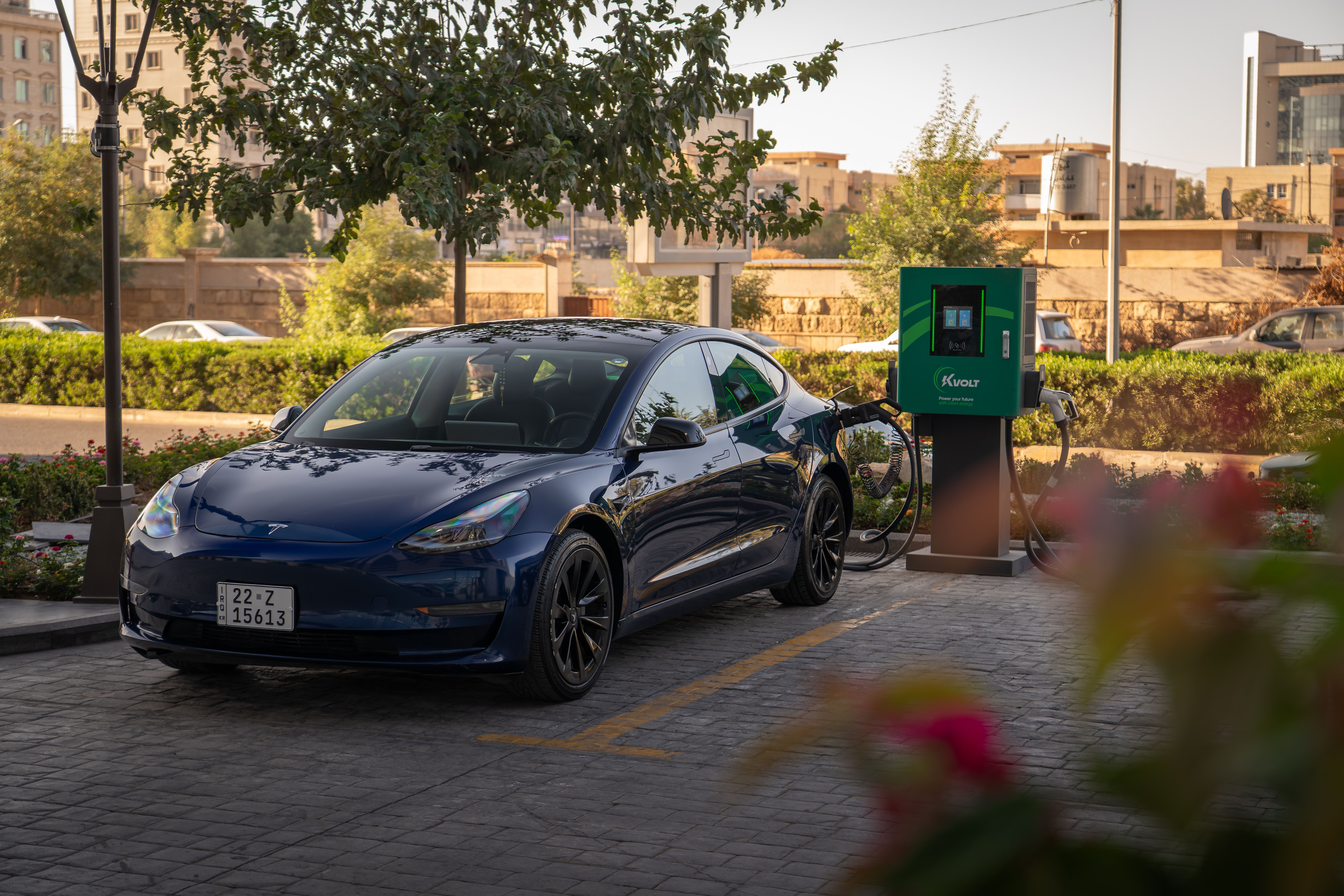
Range anxiety and charging woes are history! Discover how modular and swappable electric vehicle batteries are revolutionizing urban mobility in 2026, offering instant power, upgradeability, and significant savings for electric motorcycle, e-bike, and electric scooter riders. Get ready to compare the best systems and find your next ride, optimizing your total cost of ownership with cutting-edge EV battery tech!
Introduction to the Topic
Welcome to 2026, riders! The roar of internal combustion engines is rapidly fading, replaced by the silent hum of electric propulsion. But let's be honest, the electric vehicle revolution, while exhilarating, has had its speed bumps. Chief among them? The dreaded 'range anxiety' and the often-inconvenient wait at charging stations. For years, we've dreamed of an EV experience as seamless as filling up a gas tank. Well, that future is finally here, and it's powered by a groundbreaking innovation: swappable and modular EV batteries.
No longer will you be tethered to a charging cable for hours. Imagine pulling into a compact battery swapping station, exchanging your depleted power pack for a fully charged one in less time than it takes to tie your boots, and hitting the road again. This isn't science fiction; it's the reality transforming urban mobility for electric motorcycles, e-bikes, and scooters across the globe. This year, swappable battery systems are not just a niche feature; they are becoming the gold standard for convenience, efficiency, and sustainability. Join us as we dive deep into this game-changing technology, explore the top models leveraging it, and show you exactly how it will save you money and time in 2026 and beyond.
Backgrounds & Facts
The journey to swappable batteries has been a fascinating one, born out of necessity. Early electric vehicles, while environmentally friendly, faced significant hurdles: long charging times, the high upfront cost of integrated battery packs, and the eventual degradation of those packs, leading to expensive replacements. These factors created a bottleneck for mass adoption, particularly in the fast-paced urban environments where two-wheelers thrive.
Enter the swappable battery concept. Pioneered by innovators like Gogoro and embraced by major players such as Honda, Yamaha, and Kawasaki through the Motorcycle Battery Consortium (MBC), this technology standardizes battery packs, making them interchangeable across different vehicles and brands (within their respective ecosystems). By 2026, the MBC's efforts have significantly advanced, leading to more widespread adoption of common battery specifications for light electric vehicles.
The core principle is simple: instead of owning the battery, you often lease or subscribe to a 'battery-as-a-service' (BaaS) model. This dramatically lowers the initial purchase price of the electric motorcycle or e-bike. When your battery runs low, you simply visit a conveniently located swapping station – often no larger than a vending machine – and exchange it for a fully charged one. This process typically takes mere seconds. The depleted battery is then intelligently recharged, maintained, and prepared for the next rider, optimizing its lifecycle and reducing waste.
This system addresses multiple pain points: it eliminates range anxiety by providing instant power, reduces the total cost of ownership (TCO) by separating battery costs from vehicle purchase, and enhances sustainability through better battery management and eventual recycling. The growth of battery swapping networks is exponential, with major cities now boasting hundreds, if not thousands, of points, making electric urban mobility more accessible and practical than ever before.
Expert Opinion / Analysis
“By 2026, swappable battery systems are no longer a niche; they are becoming the backbone of urban electric mobility, particularly for two-wheelers and last-mile delivery fleets,” states Dr. Evelyn Reed, lead analyst at 'EV Mobility Futures Inc.', a prominent research firm specializing in sustainable transport. “The shift from owning a battery to subscribing to energy is a paradigm change that empowers consumers with flexibility and cost predictability. It’s akin to moving from owning a landline to a mobile phone plan – you pay for the service, not the infrastructure.”
Dr. Reed highlights several key advantages. From a consumer perspective, the most immediate benefit is unparalleled convenience. “Imagine never having to worry about finding a charging port again, or waiting hours for your electric motorcycle to power up. This instant gratification is a powerful driver for adoption,” she explains. Furthermore, the BaaS model means you’re always riding with a healthy, updated battery. As battery technology evolves, your subscribed service automatically provides you with the latest and greatest, future-proofing your ride without requiring a new vehicle purchase.
However, the journey hasn't been without its challenges. “Standardization has been the biggest hurdle,” Dr. Reed admits. “While initiatives like the MBC have made significant strides, a truly universal battery pack across all brands is still some years away. However, the existing consortiums and proprietary networks are robust enough to serve their respective markets effectively.” Another consideration is the initial infrastructure investment for swapping stations, though this is rapidly being offset by increased user adoption and strategic partnerships with urban planners and businesses.
For fleet operators and businesses, the benefits are even more pronounced. “Delivery services and ride-sharing platforms see immediate operational efficiencies,” says Reed. “Downtime for charging is eliminated, allowing for continuous operation, which directly impacts their bottom line. This is why we’re seeing rapid commercial adoption driving the expansion of these networks.” The expert consensus is clear: swappable batteries are not just a trend; they are a fundamental evolution in how we power our electric lives on two wheels, offering a compelling blend of practicality, economy, and environmental responsibility.
💰 Best Options in Comparison (VERY IMPORTANT)
Ready to jump into the future of electric mobility? The market for swappable battery EVs in 2026 is vibrant, offering solutions for every rider, from the urban commuter to the performance enthusiast. We've curated a list of top contenders that exemplify the best of this revolutionary technology, focusing on convenience, performance, and value. These options are designed to maximize your investment, reduce downtime, and enhance your riding experience.
- Option 1: Vespa Elettrica X-Change (Urban Commuter)
The iconic Italian brand has fully embraced the swappable revolution with its Elettrica X-Change. This electric scooter combines timeless style with cutting-edge practicality. Designed specifically for dense urban environments, its compact, easily swappable battery packs mean you're never more than a minute away from a full 'tank'. Perfect for daily commutes and navigating city streets with zero emissions and maximum flair. Integrated smart features and a robust app enhance its urban appeal, making it a top choice for style-conscious commuters. - Option 2: Volta ChargeFlow 500 (Performance Electric Motorcycle)
For those craving more power and range, the Volta ChargeFlow 500 is a game-changer. This electric motorcycle boasts a performance-tuned motor and a dual-pack swappable battery system, allowing for extended rides and thrilling acceleration. Its robust frame and advanced suspension make it suitable for both spirited city riding and longer excursions. Volta's network of 'PowerPod' stations ensures quick swaps, minimizing downtime for the discerning rider who demands both speed and convenience. - Option 3: EcoHauler E-Bike Pro (Cargo & Utility E-Bike)
The EcoHauler E-Bike Pro redefines utility for electric bicycles and light mopeds. Built for deliveries, cargo transport, or heavy-duty commuting, this rugged e-bike features multiple battery slots, allowing users to carry several swappable packs for unparalleled range and power on demand. Its durable construction and generous cargo capacity make it an invaluable tool for businesses and individuals alike. The EcoHauler's focus on modularity ensures maximum uptime and adaptability for demanding tasks. - Option 4: Gogoro Smartscooters (Gen 4) (Established Leader)
As pioneers in the swappable battery space, Gogoro continues to dominate the urban electric scooter market with its 4th generation Smartscooters. With the most extensive and rapidly expanding network of GoStations globally, Gogoro offers unmatched convenience and a proven, reliable ecosystem. Their integrated smart features, robust app connectivity, and range of models cater to diverse urban needs, representing a benchmark for the industry. - Option 5: Honda Mobile Power Pack e: (Versatile Platform)
Honda's Mobile Power Pack e: represents a strategic move towards universalization. While primarily powering their own range of electric scooters and light motorcycles, the Mobile Power Pack system is designed with cross-brand compatibility in mind (within the MBC framework). These compact, robust packs are easily swappable and offer incredible versatility, not just for vehicles but also for various portable power applications, highlighting Honda's vision for a broader energy ecosystem.
To help you compare these fantastic options and make an informed purchasing decision, here's a detailed breakdown:
| Model/System | Battery Capacity (per pack) | Est. Range (per charge/swap) | Swap Time | Subscription Cost (Monthly Avg) | Upfront Vehicle Cost (Est.) | Key Benefit |
|---|---|---|---|---|---|---|
| Vespa Elettrica X-Change | 2.5 kWh | 75 km (city) | < 60 seconds | $49 - $79 | $6,500 | Urban convenience, iconic style, smart integration |
| Volta ChargeFlow 500 | 4.0 kWh (x2 optional) | 150 km (combined) | < 90 seconds | $79 - $129 | $12,000 | Performance, long-distance capability, robust build |
| EcoHauler E-Bike Pro | 1.5 kWh (x1-3 slots) | 50 km (per pack) | < 30 seconds | $29 - $59 | $3,800 | Cargo capacity, fleet friendly, multi-pack use |
| Gogoro Smartscooters (Gen 4) | 2.6 kWh | 80 km (city) | < 10 seconds | $35 - $65 | $4,000 - $7,000 | Widest network, proven tech, seamless experience |
| Honda Mobile Power Pack e: | 1.3 kWh | 40 km (per pack) | < 20 seconds | $25 - $45 | $3,000 - $5,500 | Lightweight, versatile, cross-brand potential |
Prices and ranges are estimates and may vary based on location, subscription tier, and riding conditions. We highly recommend visiting official dealer websites or contacting a local representative for the most accurate and up-to-date information on vehicle pricing and battery subscription plans. Many manufacturers offer flexible plans, allowing you to tailor your energy consumption to your specific needs, further optimizing your total cost of ownership.
Outlook & Trends
The future of swappable battery EVs in 2026 is brighter than ever, with several exciting trends on the horizon. The push for standardization, driven by consortiums like the MBC, will continue to gain momentum. While a single, universal battery for all EVs remains a distant dream, we anticipate broader compatibility within specific vehicle classes, allowing consumers more choice and reducing infrastructure fragmentation. Imagine a future where your electric motorcycle battery could power your e-bike or even provide emergency home backup!
The expansion of battery swapping networks is set to accelerate, moving beyond major metropolitan centers into suburban areas and even rural hubs. Strategic partnerships with gas stations, convenience stores, and parking facilities will transform these locations into multi-energy service points. Furthermore, the ‘battery-as-a-service’ (BaaS) model will evolve, offering more granular subscription tiers, pay-per-swap options, and even premium services that include battery upgrades or preferential access to new tech.
Beyond personal mobility, swappable battery tech holds immense potential for Vehicle-to-Grid (V2G) applications. When not in use, these modular battery packs can be aggregated within swapping stations to store renewable energy and feed it back into the grid during peak demand, enhancing energy stability and sustainability. This integration transforms EVs from mere consumers to active participants in the energy ecosystem.
Finally, expect to see new vehicle categories adopting this technology. From compact micro-cars to specialized utility vehicles for industrial parks, the benefits of instant power and low TCO will drive innovation across various sectors. The focus on improved battery lifecycle management and advanced recycling techniques will also ensure that these swappable powerhouses contribute to a truly circular economy, minimizing environmental impact at every stage.
Conclusion
The year 2026 marks a pivotal moment for electric mobility, with swappable battery technology leading the charge. It's a revolution that promises to eliminate the traditional pain points of EV ownership, offering unprecedented convenience, significant cost savings, and a robust pathway to a cleaner, more sustainable future. No more range anxiety, no more long charging waits – just instant power, whenever and wherever you need it.
Whether you're an urban commuter, a performance rider, or someone looking for a practical utility solution, there's a swappable battery electric motorcycle, e-bike, or scooter perfectly suited for your needs. By embracing this technology, you're not just buying a vehicle; you're investing in a smarter, more efficient, and more enjoyable way to move. It's time to future-proof your ride and experience the true freedom of electric power.
Ready to make the switch? Explore the latest models, compare battery subscription plans, and find a dealer near you to test ride your next EV. Visit bikeslovezone.com/swappable-evs-2026 to dive deeper into specific models, read user reviews, and get exclusive offers on swappable battery electric vehicles today!