
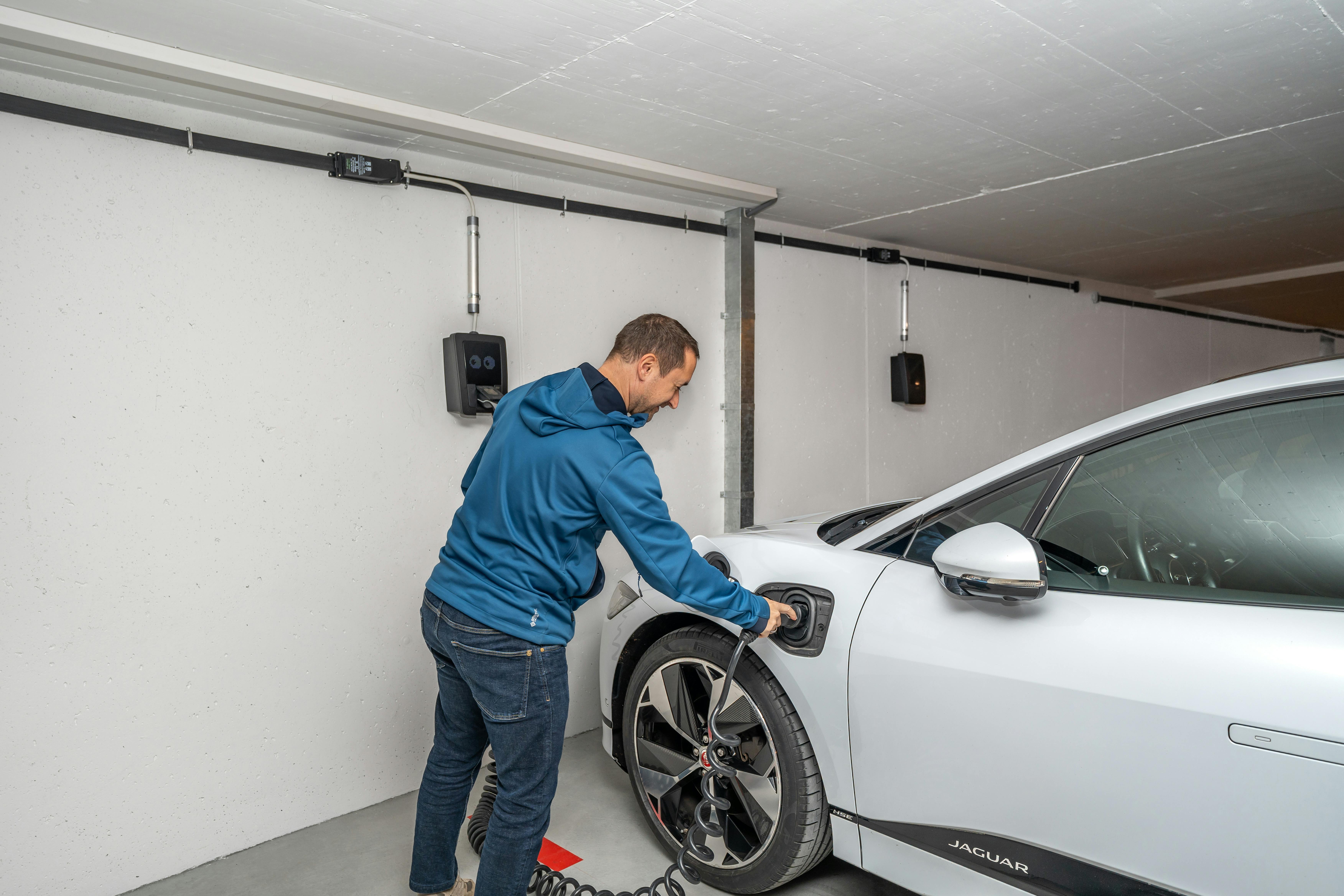
Revolutionize your commute and embrace a greener lifestyle with our definitive 2026 guide to hybrid vehicles. Discover the latest advancements in fuel efficiency, electric range, and smart technology from leading brands like Toyota, Honda, Hyundai, and Ford. This expert comparison helps you navigate purchasing decisions, maximize savings, and reduce your carbon footprint, ensuring you choose the perfect hybrid SUV or car for a sustainable, cost-effective future. Get ready to compare, save, and drive smarter!
Introduction to the Topic
As the calendar flips to 2026, the roar of the internal combustion engine is increasingly being harmonized with the silent hum of electric power. For enthusiasts of two wheels and clean air, like our community here at bikeslovezone.com, the conversation around sustainable transport isn't just about pedals; it's about every journey we undertake. Enter the hybrid vehicle – no longer a niche choice, but a mainstream marvel, offering a compelling blend of fuel efficiency, reduced emissions, and the convenience of traditional refueling. In a world grappling with fluctuating energy prices and the urgent call for environmental stewardship, hybrid cars and SUVs stand as a powerful, practical solution, bridging the gap between conventional gasoline vehicles and full battery-electric models.
This year, hybrids aren't just getting better; they're getting smarter, more powerful, and more appealing than ever before. For many, a full EV might still present range anxiety or charging infrastructure challenges, especially for longer trips beyond the urban core. Hybrids eliminate these concerns, providing the best of both worlds: electric-only driving for short commutes and robust gasoline power for extended adventures. The market is saturated with innovative options, each promising to slash your fuel bills and shrink your carbon footprint without compromising on performance or comfort. Whether you're a daily commuter, a weekend adventurer, or a family seeking a versatile and economical ride, 2026's hybrid lineup has something revolutionary to offer. Join us as we dive deep into the models that are defining the future of responsible driving.
Backgrounds & Facts
The journey of hybrid technology began decades ago, but 2026 marks a significant inflection point. What started as a modest attempt to improve fuel economy has evolved into a sophisticated ecosystem of powertrain options. Today's hybrid vehicles come primarily in three flavors: mild hybrids (MHEV), full hybrids (HEV), and plug-in hybrids (PHEV). Mild hybrids use a small electric motor to assist the gasoline engine, improving efficiency slightly. Full hybrids, like the iconic Toyota Prius, can drive short distances on electric power alone, recharging their batteries through regenerative braking and the engine. But it's the Plug-in Hybrid Electric Vehicle (PHEV) that truly shines in 2026, offering substantial all-electric ranges – often 30-60 miles or more – perfect for daily commutes, before seamlessly switching to hybrid mode for longer journeys, effectively eliminating range anxiety.
The growth of the hybrid market has been exponential. Industry analysts project that by the end of 2026, hybrids and PHEVs will account for over 25% of all new vehicle sales globally, driven by consumer demand for lower running costs and increasing environmental awareness. Governments worldwide continue to offer incentives for hybrid purchases, from tax credits to reduced registration fees, further sweetening the deal. Beyond the immediate savings at the pump, hybrids contribute significantly to cleaner air, an aspect deeply valued by the bikeslovezone.com community. By reducing tailpipe emissions, particularly in urban areas during electric-only driving, hybrids help create healthier environments for cyclists and pedestrians alike.
Technological advancements are at the heart of this surge. Battery technology, while not yet at the solid-state mass market stage, has seen dramatic improvements in energy density and longevity. Modern hybrid batteries are smaller, lighter, and come with extended warranties, often 8-10 years or 100,000-150,000 miles, dispelling early concerns about replacement costs. Electric motors are more powerful and efficient, and sophisticated energy management systems intelligently optimize power delivery, ensuring smooth transitions between electric and gasoline propulsion. Furthermore, advanced aerodynamics, lightweight materials, and smart driving modes (Eco, Sport, EV-only) contribute to unprecedented levels of efficiency and a surprisingly dynamic driving experience. The days of hybrids being sluggish or uninspiring are long gone; 2026 models offer robust acceleration and refined handling, proving that green driving doesn't mean sacrificing performance.
Expert Opinion / Analysis
“The hybrid vehicle in 2026 isn't just a stepping stone; it's a destination in itself for a significant segment of the driving population,” states Dr. Elara Vance, a leading automotive market analyst at Future Mobility Insights. “While full EVs are undoubtedly the long-term goal, the current charging infrastructure, particularly in rural areas or for apartment dwellers, makes PHEVs and HEVs incredibly appealing. They offer the immediate benefits of electrification without the commitment of a dedicated charging setup or the potential for range anxiety on cross-country trips.”
Our own sustainability expert, Maya Singh, a passionate cyclist and contributor to bikeslovezone.com, recently shared her perspective: “From a cyclist's vantage point, fewer gasoline-only vehicles on the road mean cleaner air and quieter streets. My family recently switched to a PHEV, and the difference is palpable. My daily commute, which is about 25 miles round trip, is entirely electric. I charge at home overnight, and it costs pennies. For our weekend cycling trips to the mountains, the gas engine kicks in seamlessly, ensuring we get there comfortably and efficiently. It’s a perfect balance.”
Analysts point to several key trends shaping the hybrid landscape. Firstly, consolidation: manufacturers are streamlining their hybrid offerings, focusing on popular SUV and crossover segments where the blend of utility and efficiency resonates most with consumers. Secondly, performance hybrids are gaining traction, proving that electrification isn't just about economy but can also enhance horsepower and torque, offering a more engaging drive. Thirdly, the integration of advanced driver-assistance systems (ADAS) and connectivity features is making hybrids safer and more intuitive than ever. Many 2026 models boast Level 2 semi-autonomous driving capabilities, over-the-air updates, and seamless smartphone integration, elevating the driving experience to new heights. The ‘sweet spot’ for hybrids, therefore, isn't just about fuel economy anymore; it’s about a holistic package of convenience, performance, and environmental responsibility that caters to a broad spectrum of modern drivers.
💰 Best Options in Comparison (VERY IMPORTANT)
With a plethora of exceptional hybrid vehicles on the market, choosing the right one can feel daunting. To help you make an informed decision and maximize your value, we’ve meticulously analyzed and selected three standout models that represent the pinnacle of hybrid innovation in 2026. Each offers a unique blend of features, efficiency, and driving dynamics, catering to different needs and preferences. Whether you prioritize all-electric range, family utility, or premium comfort, these options are engineered to deliver significant savings and a superior driving experience.
-
Toyota RAV4 Prime (PHEV)
Still a reigning champion in the plug-in hybrid SUV segment, the 2026 Toyota RAV4 Prime continues to impress with its formidable combination of electric range, all-wheel-drive capability, and Toyota’s legendary reliability. Boasting one of the longest all-electric ranges in its class (estimated 45-50 miles in 2026, thanks to minor battery improvements), it allows most commuters to complete their daily drives without touching a drop of gasoline. When the electric charge runs out, the transition to hybrid mode is imperceptible, offering excellent combined fuel economy. Its sporty handling, spacious interior, and comprehensive suite of safety features make it an ideal choice for adventurous families and eco-conscious drivers who refuse to compromise on performance or utility. For bikeslovezone.com readers, the RAV4 Prime’s ample cargo space and roof rack options make it perfect for transporting bikes to your favorite trails.
-
Honda CR-V Hybrid
The 2026 Honda CR-V Hybrid remains a benchmark for practicality, comfort, and balanced efficiency in the compact SUV category. While not a plug-in, its self-charging hybrid system delivers exceptional combined MPG, making it a stellar choice for those who want fuel savings without the need for external charging. Honda's refined powertrain ensures a smooth, quiet ride, and its spacious, well-appointed interior is designed with family comfort and cargo flexibility in mind. With Honda's reputation for reliability and resale value, the CR-V Hybrid is a smart, long-term investment. It's the quintessential everyday vehicle, perfect for urban errands, school runs, and comfortable highway cruising, all while keeping your fuel budget in check. Its intuitive infotainment system and advanced safety features add to its broad appeal.
-
Hyundai Santa Fe Hybrid
For those seeking a more premium experience with generous space and cutting-edge technology, the 2026 Hyundai Santa Fe Hybrid delivers exceptional value. Available in both traditional hybrid and plug-in hybrid variants, the Santa Fe Hybrid offers a luxurious cabin, sophisticated design, and a host of advanced features typically found in higher-priced segments. Its powertrains are smooth and responsive, providing ample power for highway merging and confident urban driving. The Santa Fe’s interior is a masterclass in ergonomics and connectivity, featuring large digital displays, premium materials, and comfortable seating for up to seven passengers in some configurations. Hyundai’s industry-leading warranty further enhances its appeal, offering peace of mind for years to come. It's an excellent option for larger families or those who appreciate a touch of luxury combined with serious fuel economy.
To aid your decision-making, here’s a comprehensive comparison of these top contenders:
| Feature | Toyota RAV4 Prime (PHEV) | Honda CR-V Hybrid (HEV) | Hyundai Santa Fe Hybrid (HEV/PHEV) |
|---|---|---|---|
| Type | Plug-in Hybrid Electric Vehicle (PHEV) | Full Hybrid Electric Vehicle (HEV) | Full Hybrid (HEV) & Plug-in Hybrid (PHEV) |
| Combined MPGe (PHEV) / MPG (HEV) | ~94 MPGe / 38 MPG (hybrid mode) | ~40 MPG | ~34-36 MPG (HEV) / ~76 MPGe (PHEV) |
| Electric-Only Range | ~45-50 miles | N/A (Short bursts only) | ~30-35 miles (PHEV) |
| Starting Price (Est. 2026) | ~$46,000 | ~$35,000 | ~$38,000 (HEV) / ~$48,000 (PHEV) |
| Key Feature/Benefit | Longest EV range, AWD, strong performance | Balanced utility, reliability, no charging needed | Premium interior, advanced tech, spacious, great warranty |
| Target Audience | Eco-conscious adventurers, daily EV commuters, families | Everyday commuters, small families, value-seekers | Families needing space, luxury seekers, tech enthusiasts |
Each of these models offers compelling reasons to consider a hybrid in 2026. Your choice will ultimately depend on your driving habits, budget, and specific needs for electric range, cargo space, and creature comforts. We highly recommend test-driving your top contenders to experience their unique attributes firsthand.
Outlook & Trends
What does the future hold for hybrid vehicles beyond 2026? While the long-term trajectory points towards a fully electric future, hybrids are far from obsolete. We anticipate hybrids will continue to play a crucial role as the global charging infrastructure matures and battery costs for full EVs become more competitive. Manufacturers are investing heavily in even more efficient internal combustion engines designed specifically for hybrid applications, often utilizing Atkinson cycle engines and advanced turbocharging, coupled with next-generation electric motors and power electronics.
Expect to see further integration of hybrids into smart energy grids, with potential for bi-directional charging capabilities (Vehicle-to-Grid or V2G) allowing PHEVs to feed power back into homes or the grid during peak demand. This could transform a hybrid from just a mode of transport into a mobile energy storage unit. Furthermore, lightweighting technologies, sustainable materials in interiors, and advanced aerodynamic designs will push efficiency boundaries even further. The line between HEV and PHEV might blur, with many HEVs offering small, usable electric-only ranges, and PHEVs boasting even longer ranges that cover almost all daily driving needs.
As government regulations continue to tighten emission standards, hybrids will remain a vital tool for automakers to meet compliance targets. For consumers, this means more choice, more refined technology, and increasingly attractive incentives for choosing cleaner vehicles. The demand for flexible, eco-friendly transport that doesn't compromise on range or performance ensures that hybrids will be a significant force in the automotive landscape for at least the next decade, evolving and adapting to the changing needs of drivers and the planet.
Conclusion
The year 2026 stands as a testament to the enduring innovation and growing appeal of hybrid vehicles. Far from being a temporary solution, today's hybrids offer a sophisticated, practical, and highly efficient answer to the challenges of modern mobility. They empower drivers to significantly reduce their fuel consumption and carbon footprint, all while enjoying robust performance, cutting-edge technology, and the peace of mind that comes with extended range and reliable power.
For the bikeslovezone.com community, embracing a hybrid vehicle aligns perfectly with a lifestyle that values sustainability, health, and responsible consumption. It's about making choices that benefit both your wallet and the planet we all share. Whether you’re eyeing the all-electric capability of a RAV4 Prime, the balanced utility of a CR-V Hybrid, or the premium comfort of a Santa Fe Hybrid, there’s a perfect hybrid out there waiting to transform your driving experience. Don't just drive; drive smarter, greener, and more efficiently. Visit your local dealership today, take a test drive, and embark on your journey towards a more sustainable future!