
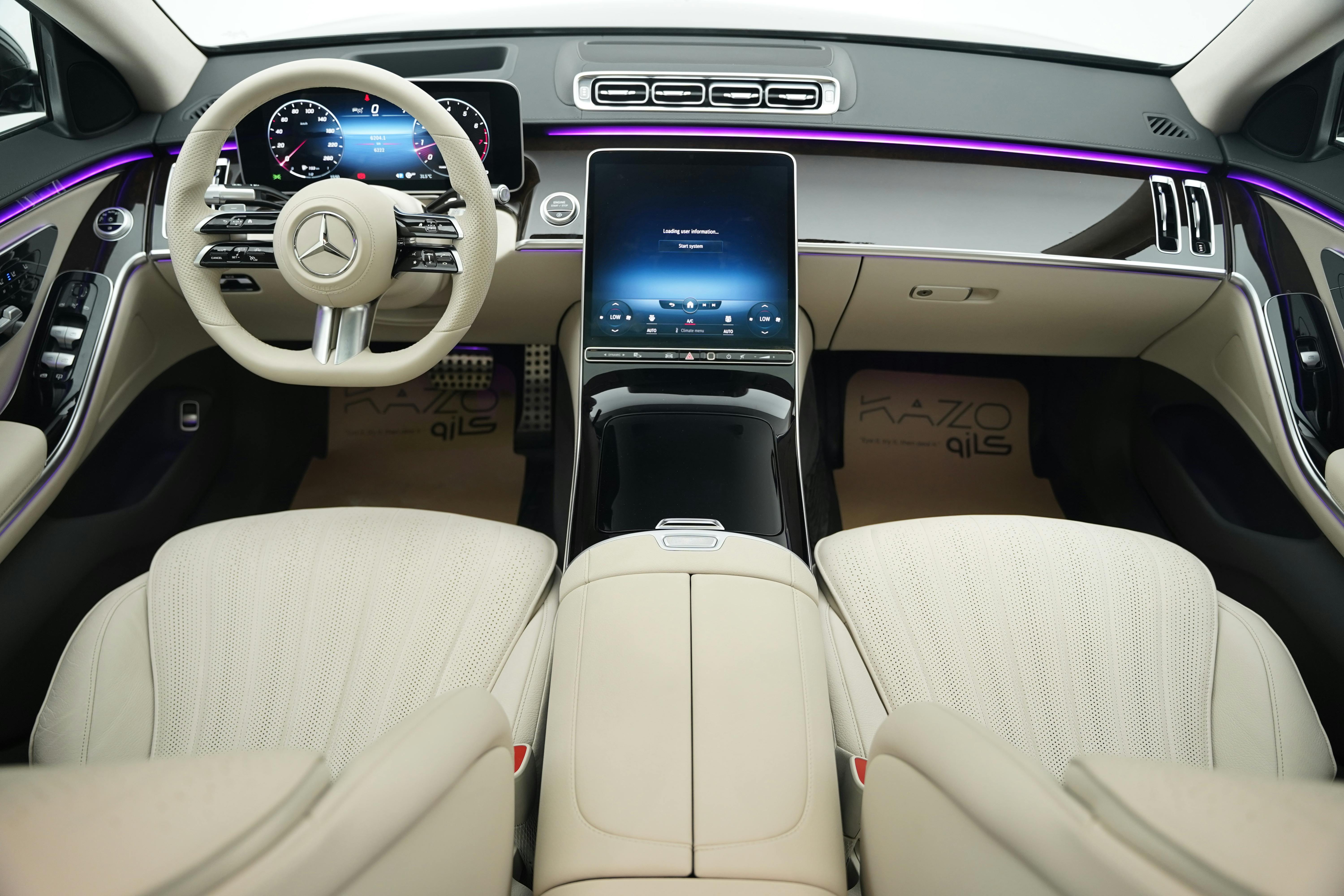
The future is here! Discover how Level 3 autonomous driving is transforming roads in 2026. Dive into the cutting-edge ADAS technologies, compare the best hands-free driving systems, and find out which premium vehicles offer the safest, most convenient, and most valuable autonomous features for your next purchase. Get ready for a game-changing driving experience!
Introduction to the Topic
Welcome to 2026, where the promise of self-driving cars is no longer a distant dream but a tangible reality for an increasing number of drivers. For years, Advanced Driver-Assistance Systems (ADAS) have offered a glimpse into the future, providing features like adaptive cruise control and lane-keeping assistance. But this year marks a pivotal moment: the widespread commercialization and adoption of Level 3 autonomous driving. This isn't just advanced driver assistance; it's a paradigm shift, allowing for 'eyes-off' driving under specific, controlled conditions. As technology matures and regulatory frameworks evolve, understanding the nuances of Level 3 autonomy is crucial for anyone considering a new vehicle. This ultimate buyer's guide will navigate the complex world of conditional automation, helping you identify the best systems, compare their features, and make an informed decision on investing in the future of mobility.
Backgrounds & Facts
To truly grasp the significance of Level 3 autonomy, it's essential to understand the SAE J3016 classification system. While Level 0-2 systems demand constant driver engagement, Level 3, or 'Conditional Driving Automation,' represents the first stage where the vehicle can handle all aspects of driving under specific operational design domains (ODDs). This means the car can drive itself, allowing the human driver to safely disengage from the driving task and even look away from the road – but, the driver must be prepared to take over when prompted by the system. This 'human-machine handover' is the defining characteristic and the most critical safety challenge of Level 3.
The technological backbone of these advanced systems is a sophisticated fusion of sensors and artificial intelligence. LiDAR (Light Detection and Ranging) provides highly accurate 3D mapping of the environment, complementing traditional radar for speed and distance detection, and an array of high-resolution cameras for object recognition and lane detection. Powerful on-board AI processors, often leveraging machine learning algorithms, analyze this vast data stream in real-time, predicting road conditions, traffic behavior, and potential hazards. Furthermore, high-definition (HD) mapping and 5G connectivity for Vehicle-to-Everything (V2X) communication are becoming standard, enhancing situational awareness and predictive capabilities. As of 2026, several key regions have established clear regulatory pathways for Level 3 systems, paving the way for broader consumer access and fostering healthy competition among manufacturers.
Expert Opinion / Analysis
"The transition to Level 3 is more than just a technological upgrade; it's a psychological shift for drivers," explains Dr. Anya Sharma, lead researcher at the Global Institute for Automotive Autonomy. "The biggest challenge isn't just building the technology, but ensuring seamless, intuitive, and most importantly, safe handovers between the vehicle and the human driver. Robust driver monitoring systems are paramount to confirm readiness to intervene."
Industry analysts project a significant acceleration in Level 3 adoption, especially in premium and luxury segments, driven by the desire for enhanced convenience and improved safety. The benefits are clear: reduced driver fatigue during long commutes or in heavy traffic, the ability to utilize driving time for other tasks (e.g., answering emails, watching media), and potentially fewer accidents due to human error. However, ethical considerations regarding liability in the event of an accident and public trust remain ongoing discussions. The cost of these advanced systems, often bundled with expensive hardware and recurring software subscription fees, also presents a barrier for mainstream adoption, though prices are expected to decrease over time as economies of scale are achieved. The market for ADAS features and Level 3 systems is booming, with consumers increasingly prioritizing these technologies when making purchasing decisions, recognizing their long-term value and safety benefits.
💰 Best Options in Comparison (VERY IMPORTANT)
For discerning buyers in 2026, several manufacturers are leading the charge in Level 3 autonomous driving, offering cutting-edge systems that redefine the driving experience. These top picks are not just about convenience; they represent significant investments in driver safety and technological prowess. When considering a purchase, evaluate the specific operational domains, subscription costs, and the overall integration with the vehicle's ecosystem.
-
Mercedes-Benz DRIVE PILOT 2.0
Building on its pioneering Level 3 approval, Mercedes-Benz's DRIVE PILOT 2.0, available in the latest S-Class and EQS models, sets the benchmark for conditional autonomy. This system allows for 'eyes-off' driving on specific, approved highway segments, primarily in heavy traffic or at speeds up to 80 mph. Its robust sensor suite, including advanced LiDAR and high-precision mapping, ensures exceptional reliability. The system also integrates automated lane changes and sophisticated traffic jam assistance, making commutes significantly less stressful. Mercedes offers a premium experience, emphasizing safety and luxurious comfort even when the car is driving itself. While the initial vehicle price is substantial, the peace of mind and enhanced productivity are invaluable for many executives and luxury car buyers.
-
GM Ultra Cruise Pro
GM's evolution of Super Cruise, the Ultra Cruise Pro, is now a full Level 3 system expanding its operational domain dramatically. Available in high-end Cadillac models like the CELESTIQ and select GMC HUMMER EVs, Ultra Cruise Pro boasts an impressive operational range of over 2 million miles of mapped roads across North America, including supervised urban driving scenarios. This system allows for hands-free and 'eyes-off' operation on these designated routes, offering predictive navigation and advanced overtake assist. GM's strategy focuses on broad accessibility within its premium brands, offering a compelling blend of range and capability. The subscription model after an initial free period makes this a long-term investment in advanced driving.
-
BMW Personal CoPilot 3.0
BMW's latest iteration, Personal CoPilot 3.0, found in the new 7 Series and i7, delivers a sophisticated Level 3 experience tailored for highway driving up to 75 mph. Beyond hands-free and eyes-off capabilities, BMW integrates advanced features like automated parking and summon functionality, allowing the car to park itself or retrieve itself from tight spots with the driver supervising remotely. Its focus on driver engagement and dynamic capabilities, even in autonomous mode, distinguishes it. The system's advanced evasive steering assist also adds an extra layer of safety, making it a top contender for those prioritizing both luxury and cutting-edge safety features. BMW's subscription model is competitive, reflecting the comprehensive suite of services.
To help you compare these groundbreaking systems, here's a detailed overview:
| Feature | Mercedes-Benz DRIVE PILOT 2.0 (S-Class/EQS) | GM Ultra Cruise Pro (Cadillac CELESTIQ/GMC HUMMER EV) | BMW Personal CoPilot 3.0 (7 Series/i7) |
|---|---|---|---|
| Autonomy Level | Conditional (L3) | Conditional (L3) | Conditional (L3) |
| Operational Domain | Select highways (up to 80 mph), Traffic Jams | Over 2 million miles of mapped roads (up to 90 mph), Supervised Urban | Select highways (up to 75 mph), Automated Parking |
| Key Features | Eyes-off driving, Automated Lane Changes, Traffic Jam Pilot, Digital Light warnings | Hands-free & Eyes-off, Predictive Navigation, Advanced Overtake Assist, Urban Assist | Eyes-off highway driving, Automated Parking & Summon, Advanced Evasive Steering, Remote Parking |
| Annual Subscription Cost | $1,500 (after 1st year free) | $1,200 (after 3 years free) | $1,400 (after 2 years free) |
| Est. Vehicle Price Range | $120,000 - $180,000+ | $100,000 - $300,000+ | $110,000 - $170,000+ |
Note: All pricing and features are estimates for 2026 models and may vary by region and specific vehicle configuration. Always consult official dealership information for the most accurate details.
Outlook & Trends
The journey to full autonomy doesn't stop at Level 3. The next frontier is Level 4 autonomous driving, which will allow the vehicle to handle all driving tasks without human intervention within specific operational design domains, even if the driver fails to respond to a handover request. We anticipate seeing L4 systems emerge in geofenced areas, such as dedicated robotaxi services or logistics hubs, by the end of the decade. Further advancements in AI and machine learning will make these systems even more robust, capable of navigating complex urban environments and unpredictable weather conditions. The standardization of V2X communication will also play a crucial role, allowing vehicles to 'talk' to each other and to infrastructure, creating a safer and more efficient road network. The concept of software-defined vehicles will become dominant, enabling over-the-air (OTA) updates that continuously improve and expand autonomous capabilities, transforming cars from static hardware into evolving smart platforms. This trend will open up new revenue streams for manufacturers through premium feature subscriptions and personalized services.
Conclusion
The year 2026 marks a monumental leap in automotive technology, with Level 3 autonomous driving systems moving from concept to consumer reality. Offering unparalleled convenience, enhanced safety, and the ability to reclaim valuable time during your commute, these cutting-edge ADAS features are redefining what it means to drive. Whether you're eyeing the sophisticated luxury of Mercedes-Benz, the expansive coverage of GM, or the dynamic innovation of BMW, understanding the differences in their Level 3 offerings is key to making a smart investment. Don't just buy a car; invest in the future of mobility. We encourage you to visit your local premium dealerships, experience these revolutionary systems firsthand, and speak with sales professionals about the best financing and subscription options available. The road ahead is intelligent, connected, and waiting for you to take the next step. Drive smarter, not harder!