
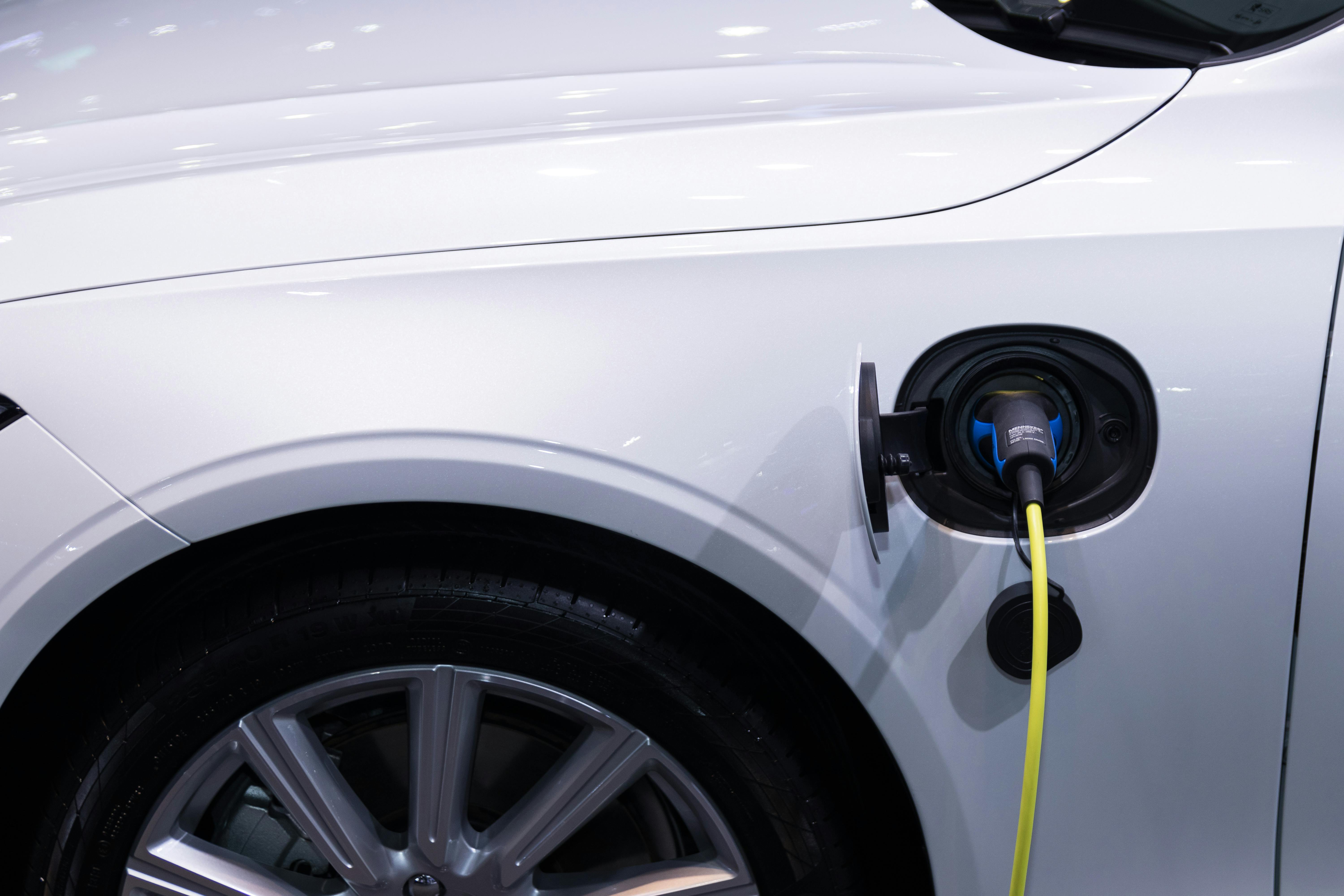
Tired of charging waits? Discover the game-changing world of swappable battery systems for electric bikes and scooters in 2026. Learn how these modular EV battery solutions are ending range anxiety, boosting urban mobility, and offering unprecedented convenience. Compare the best options, understand subscription models, and find out if a portable EV battery is your next must-have upgrade!
Introduction to the Topic
Welcome to 2026, a year where urban landscapes are increasingly dominated by sleek, efficient Light Electric Vehicles (LEVs). From zippy e-bikes to agile electric scooters and compact cargo EVs, personal mobility has never been so accessible, sustainable, or downright fun. Yet, for all their advantages, a familiar shadow has often loomed over the joy of electric riding: range anxiety and the dreaded wait for a full charge. Until now.
Enter the era of swappable battery systems – a revolutionary leap forward poised to redefine how we power our LEVs. Imagine never having to plug in and wait again. Instead, you simply pull up to a designated station, swap out your depleted battery for a fully charged one, and in mere seconds, you’re back on the road. This isn't science fiction; it’s the rapidly expanding reality of 2026, driven by advancements in modular EV battery technology and a growing demand for seamless urban mobility. This article will dive deep into this game-changing trend, exploring the best options, economic models, and why a portable EV battery solution might just be the smartest upgrade you make this year.
Backgrounds & Facts
The concept of swappable batteries isn't entirely new; pioneers like Gogoro demonstrated its potential years ago. However, what was once a niche offering has, by 2026, matured into a mainstream solution, thanks to significant technological advancements, increasing standardization, and robust infrastructure development. The core idea is simple yet brilliant: standardize battery pack sizes and connectors, allowing riders to quickly exchange an empty pack for a full one at automated kiosks or service points.
The benefits are manifold. First, it virtually eliminates range anxiety. Riders no longer need to meticulously plan routes around charging points or worry about running out of juice far from home. Second, it drastically cuts down on charging times EV batteries typically demand. Instead of hours, you're looking at seconds. Third, it promotes a more efficient use of battery resources. Centralized charging stations can optimize charging cycles, extending battery lifespan and facilitating better energy management. Furthermore, many systems operate on a battery subscription service model, reducing the upfront cost of LEVs and shifting the burden of battery maintenance and eventual recycling to the network providers.
By 2026, several key players and alliances have emerged, pushing for industry-wide standards. This includes the 'LEV Battery Swap Alliance' which has been instrumental in establishing common physical and digital interfaces for battery packs, allowing for cross-brand compatibility in certain regions. This standardization is crucial for widespread adoption, ensuring that your new e-bike or electric scooter can utilize a broad network of swap stations, regardless of its manufacturer. The focus is not just on convenience but also on enhancing the overall longevity and sustainability of electric scooter battery life and e-bike power units.
Expert Opinion / Analysis
“The shift towards swappable batteries is more than just a convenience feature; it's a fundamental paradigm shift in how we view energy for personal transportation,” explains Dr. Anya Sharma, lead analyst at Future Mobility Insights. “By divorcing the battery from the vehicle’s initial purchase, we unlock incredible flexibility. Consumers benefit from lower upfront costs and predictable monthly fees, while manufacturers can focus on vehicle design without the immense R&D burden of proprietary battery solutions for every model. It’s a win-win.”
Economically, the battery subscription service model is proving incredibly attractive. “We’re seeing a strong uptake, especially among urban commuters and delivery riders,” notes Marcus Chen, CEO of SwiftSwap Networks. “Our data shows that users appreciate the predictability of a monthly fee that covers unlimited swaps, rather than worrying about battery degradation or replacement costs down the line. It transforms the battery from a depreciating asset into an 'energy-as-a-service' utility.” This model not only makes LEVs more affordable but also ensures that batteries are managed and maintained professionally, leading to longer service lives and more efficient recycling pathways, crucial for the environmental sustainability of EVs.
From an infrastructure perspective, swappable batteries offer a smarter solution to grid demands. Instead of thousands of individual chargers drawing power inconsistently, centralized swap stations can manage energy intake, potentially utilizing off-peak electricity or even integrating with renewable energy sources. This makes fast charging EV batteries less of a personal burden and more of a managed utility service, contributing to a more resilient and sustainable energy grid for our smart cities.
💰 Best Options in Comparison (VERY IMPORTANT)
As the market for swappable battery LEVs explodes in 2026, several compelling options have emerged, each with unique strengths. Your choice will largely depend on your vehicle type, geographic location, and preferred ownership model.
-
The 'Universal Standard' Network (e.g., SwiftSwap Alliance)
These networks champion open standards, meaning multiple LEV manufacturers design their vehicles to accept a common battery pack. This offers the widest compatibility and network coverage, often spanning entire cities. You'll find a broad range of e-bikes, scooters, and even some light cargo EVs compatible with these systems. The cost model is typically a transparent monthly subscription, often with tiered plans based on usage or unlimited swaps.
-
Proprietary Ecosystems (e.g., VoltRide Pro / NextGen Gogoro)
Some major LEV manufacturers or consortia have developed their own integrated battery swap ecosystems. While these might limit your vehicle choice to specific brands, they often offer a highly optimized and seamless user experience. The batteries are perfectly tuned for the vehicles, potentially offering superior performance or range. These systems often come with premium service levels and a dense network within their operational areas, ideal for brand loyalists seeking a fully integrated experience.
-
Hybrid Solutions / DIY Modular Packs (e.g., FlexiPower Modules)
A newer trend for 2026 involves vehicles designed to accept various modular battery packs, some even allowing for easy user-swappable expansion. While not relying on a dedicated swap station network, these systems offer incredible flexibility. Riders can purchase multiple packs, charge them at home, and swap them out as needed, effectively creating their own 'personal' swap system. This is particularly appealing for extended range needs or those who prefer full ownership of their power source, offering a unique form of e-bike range extender.
To help you navigate these choices, here’s a comparison of key features:
| Feature | Universal Standard Network (e.g., SwiftSwap) | Proprietary Ecosystem (e.g., VoltRide Pro) | Hybrid/DIY Modular (e.g., FlexiPower) |
|---|---|---|---|
| Compatibility | Multi-brand, standardized | Single brand/consortium | Flexible, some universal packs |
| Network Size | Rapidly expanding, city-wide | Brand-specific, dense in target areas | Limited dedicated network, relies on user-charging |
| Cost Model | Subscription (per swap/monthly) | Vehicle+Subscription / Battery lease | Purchase individual packs |
| Convenience | High, instant full charge | Very high, optimized experience | Moderate, depends on user setup |
| Vehicle Types | E-bikes, scooters, light cargo EVs | E-bikes, high-performance scooters | E-bikes, custom builds |
| Pros | Wide choice, competitive, future-proof | Optimized, premium, seamless | Flexible, customizable, no lock-in |
| Cons | Less optimized for specific models | Vendor lock-in, network limited | Manual effort, higher initial cost for multiple packs |
Outlook & Trends
Looking ahead, the trajectory for swappable battery systems is nothing short of exponential. By the end of the decade, we anticipate these systems will be the dominant power solution for most LEVs, significantly impacting urban mobility solutions. Expect to see further global standardization efforts, potentially leading to truly interoperable battery packs across continents. The lines between different vehicle types will blur, with the same battery packs potentially powering your e-bike, a shared electric scooter, or even a small autonomous delivery robot.
The integration of swap stations into smart city infrastructure will also deepen. Imagine swap kiosks powered by local solar panels, feeding excess energy back into the grid, or dynamically adjusting pricing based on grid demand. This vision of sustainable EV batteries and intelligent energy management is not far off. Furthermore, advancements in battery chemistry and manufacturing will continue to make these packs lighter, more energy-dense, and even more environmentally friendly, boosting the sustainability credentials of the entire LEV ecosystem.
The ‘energy-as-a-service’ model is expected to expand beyond just battery swaps to include predictive maintenance, performance upgrades, and even dynamic insurance models tied to battery health. This comprehensive approach will ensure that your LEV experience remains hassle-free and cutting-edge for years to come.
Conclusion
The year 2026 marks a pivotal moment for electric vehicles, particularly in the light mobility sector. The rise of swappable and modular battery systems has effectively pulled the plug on range anxiety and charging frustrations, ushering in an era of unprecedented convenience and efficiency. This technology isn't just an incremental improvement; it's a transformative force that makes owning and operating an e-bike or electric scooter more appealing and practical than ever before.
Whether you opt for the widespread compatibility of a universal network, the optimized experience of a proprietary ecosystem, or the flexible independence of a hybrid modular setup, the benefits are clear: instant power, reduced upfront costs, and a more sustainable approach to urban transportation. As you plan your next LEV purchase in 2026, make sure to explore the incredible advantages of swappable battery technology. It’s not just an upgrade; it’s the future of urban mobility, and it’s waiting for you to swap in and ride on!