
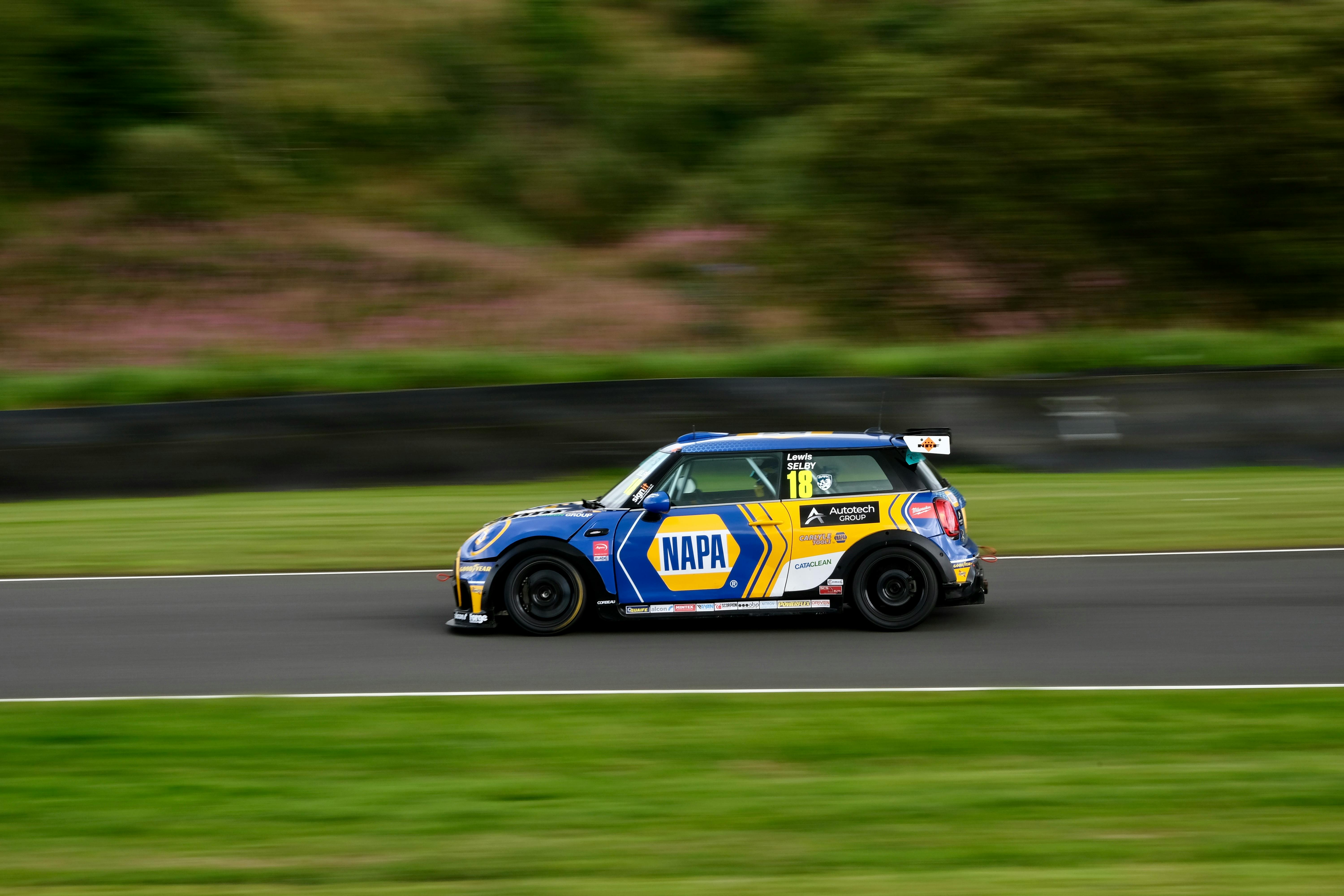
Dive into the thrilling 2026 motorsport landscape where hydrogen and advanced hybrid technologies are battling for supremacy, redefining performance and sustainability. Discover how these eco-friendly powerhouses are influencing everything from F1 to rally raids, offering unparalleled speed and a greener future for racing fans and enthusiasts looking to book their next high-octane experience or compare the best in sustainable performance vehicles.
Introduction to the Topic
Welcome to 2026, a pivotal year in motorsport history where the roar of traditional engines is increasingly joined by the silent surge of electric power and the clean burn of hydrogen. The global push for sustainability has transformed the racing world, not by slowing it down, but by accelerating innovation at an unprecedented pace. This isn't just about reducing carbon footprints; it's about unlocking new frontiers of performance, efficiency, and driver skill. For years, electric vehicles (EVs) have captivated audiences in series like Formula E and MotoE, proving that speed doesn't need fossil fuels. However, as we stand in the mid-2020s, two formidable contenders are emerging and evolving rapidly: advanced hybrid powertrains and the revolutionary promise of hydrogen.
The question on every enthusiast's mind, and indeed, every team's strategy board, is clear: which sustainable technology will dominate the pinnacle of motorsport? Will it be the refined complexity of hybrid systems, perfected over decades in Formula 1 and endurance racing? Or will the clean, high-energy potential of hydrogen – whether in combustion engines or fuel cells – be the ultimate game-changer? This article delves deep into the ultimate 2026 motorsport showdown, exploring the technologies, the races, and what it means for your next thrilling race experience and the future of high-performance vehicles. Get ready to compare, book, and immerse yourself in the fastest, greenest motorsport era ever!
Backgrounds & Facts
The journey towards sustainable motorsport began decades ago, but the pace has intensified dramatically in the 2020s. Regulatory bodies like the FIA and FIM have mandated ambitious targets, pushing manufacturers and teams to innovate. The initial focus was on electrification, leading to the successful establishment of Formula E, which by 2026 is a mature, globally recognized championship showcasing cutting-edge battery technology and urban racing spectacle. MotoE, too, has cemented its place, demonstrating the raw power and agility of electric motorcycles.
Parallel to this, Formula 1, the pinnacle of racing, has continued its evolution with highly sophisticated hybrid power units. By 2026, F1 regulations emphasize sustainable fuels and enhanced electrical power, with MGU-H removed and MGU-K power significantly increased, making the hybrid element even more critical for performance and energy recovery. The World Endurance Championship (WEC), particularly the Hypercar class, also showcases advanced hybrid systems, blending internal combustion engines with powerful electric motors for both performance and efficiency over long distances, often utilizing advanced biofuels or e-fuels.
The dark horse in this race is hydrogen. While still in earlier stages of competitive integration compared to hybrids and EVs, 2026 sees significant strides. Hydrogen can be used in two primary ways: as a fuel for internal combustion engines (H2-ICE) or to generate electricity via fuel cells to power electric motors. The Dakar Rally has been a proving ground for hydrogen prototypes, with teams like GCK Motorsport pushing the boundaries of H2-ICE in extreme conditions. Simultaneously, the FIA and ACO (organizers of Le Mans) have outlined plans for a dedicated hydrogen class in endurance racing, potentially debuting in the late 2020s, demonstrating fuel cell technology's long-distance capabilities. This multi-pronged approach to clean energy is not just theoretical; it's actively shaping the competitive landscape, creating an exhilarating and unpredictable future for motorsport fans worldwide.
Expert Opinion / Analysis
Industry experts universally agree that 2026 represents a critical juncture for motorsport's sustainable future. Dr. Anya Sharma, a leading powertrain specialist, states, "The beauty of the current era is the diversity of solutions being explored. There isn't a single 'best' answer yet, and that competitive tension is driving incredible innovation."
The Hybrid Advantage: Hybrid systems, particularly those in F1 and WEC, are lauded for their immediate applicability and proven performance. "Hybrids offer the best of both worlds right now," explains Mark Jenkins, a former F1 engineer. "You get the high energy density and quick refueling of liquid fuels, combined with the instant torque and energy recovery benefits of electric motors. The complexity is immense, but the performance ceiling is incredibly high, and the technology trickles down directly to high-performance road cars, offering a clear return on investment for manufacturers." However, critics point to their inherent complexity, weight, and the continued reliance on internal combustion, even with sustainable fuels.
The Electric Edge: Full electric racing, championed by Formula E, showcases incredible acceleration and zero tailpipe emissions. "Formula E has proven that electric racing is not just viable but thrilling," says motorsport analyst Clara Rossi. "It's a fantastic platform for urban racing and engaging new audiences. The challenges remain battery weight, charging infrastructure for longer races, and the environmental impact of battery production and disposal, though advancements are being made rapidly." For short, intense bursts, electric remains king.
The Hydrogen Horizon: Hydrogen, while newer to the mainstream, offers compelling long-term potential. "Hydrogen combustion engines provide a familiar sound and feel for traditionalists, with virtually zero tailpipe emissions other than water vapor, if green hydrogen is used," notes Dr. Sharma. "Fuel cells, on the other hand, offer highly efficient electricity generation for long-distance endurance, with fast refueling times comparable to petrol. The biggest hurdles are the infrastructure for producing and distributing green hydrogen, and the storage challenges on board a racing vehicle. But the potential for truly clean, high-performance racing is immense, especially for disciplines requiring extended range like rally raids or endurance events." The cost of developing and implementing hydrogen technology is currently higher, but its scalability for heavy transport and industrial applications could drive down costs significantly in the coming decade, making it a powerful contender.
Ultimately, the choice often comes down to the specific demands of the racing discipline, the desired fan experience, and the strategic objectives of manufacturers. The ongoing battle is not just for supremacy on track, but for the hearts and minds of consumers and the direction of future automotive technology.
💰 Best Options in Comparison (VERY IMPORTANT)
For the discerning fan with purchasing intent, 2026 offers an unparalleled array of experiences and opportunities to engage with the cutting edge of sustainable motorsport. Whether you're looking to book tickets, compare performance vehicles, or invest in the future of speed, here are the top options:
- Experience the Electric Revolution: Formula E & MotoE Thrills
Immerse yourself in the electrifying atmosphere of urban street racing. Formula E continues to deliver unpredictable action with its Gen3 EVO cars, while MotoE showcases blistering two-wheeled performance. These series are perfect for families and those keen on seeing direct road car relevance. - Book Your Experience: Secure your Formula E Grandstand tickets or MotoE Paddock passes for an unforgettable race weekend. Many venues offer premium hospitality packages, giving you exclusive access to teams and drivers. Explore local electric karting championships or EV track day experiences to feel the instant torque yourself!
- Embrace Hybrid Dominance: F1 & WEC Hypercar Spectacle
For those who crave the raw power and strategic depth of traditional motorsport, advanced hybrids are the answer. Formula 1's 2026 regulations promise even more intense hybrid battles, while the WEC Hypercar class delivers a stunning blend of speed, endurance, and technological prowess at iconic circuits like Le Mans. - Book Your Experience: Don't miss out on securing the best F1 Grand Prix travel packages, including premium seating, pit lane walks, and exclusive fan zones. Explore WEC endurance race tickets for a truly immersive motorsport marathon. If you're comparing performance vehicles, many high-performance hybrid road cars are direct descendants of this racing technology – check out the latest models from Mercedes-AMG, Ferrari, and Porsche.
- Pioneer the Hydrogen Frontier: Dakar & Future Endurance Concepts
Be part of history in the making. While hydrogen racing is still evolving, the raw adventure of the Dakar Rally's hydrogen prototypes offers a glimpse into the future. Keep an eye on announcements for the upcoming WEC hydrogen class. - Book Your Experience: While direct hydrogen race tickets are rarer, consider booking Dakar Rally spectator packages to witness the pioneering efforts firsthand. For the truly forward-thinking, explore opportunities to invest in hydrogen automotive technology or attend industry showcases where these groundbreaking vehicles are presented.
To help you decide which sustainable motorsport experience best fits your passion and purchasing intent, here's a detailed comparison of the key technologies:
| Feature | Full Electric (e.g., Formula E) | Advanced Hybrid (e.g., F1) | Hydrogen ICE/Fuel Cell (e.g., Dakar concepts) |
|---|---|---|---|
| Performance Ceiling | High (instant torque, urban agility) | Extremely High (complex power delivery, top speeds) | High (potential for ICE-like feel, endurance) |
| Environmental Impact | Zero Tailpipe Emissions (local) | Reduced Emissions (E-fuels focus) | Zero Tailpipe Emissions (if Green H2 used) |
| Refueling/Recharging | Moderate (Pit stops for battery swaps/fast charging) | Fast (Liquid fuel + ERS charging) | Fast (Hydrogen refueling comparable to petrol) |
| Development Cost | High (Battery tech, power electronics) | Very High (Complex ICE, ERS, aero integration) | High (Infrastructure, new tech, safety) |
| Fan Accessibility | Excellent (City circuits, urban appeal) | Global, well-established (iconic tracks) | Emerging, adventurous (off-road, endurance) |
| Road Car Relevance | Direct (EV market, urban mobility) | High (Performance hybrids, e-fuels) | Growing (Fuel Cell vehicles, ICE concepts) |
| Current Adoption | Widespread (FE, MotoE, ETCR) | Dominant (F1, WEC Hypercar, IMSA) | Niche but growing (Dakar, WEC future) |
| Future Potential | Continued growth, battery density, charging speeds | E-fuels, advanced energy recovery, modularity | Significant (long-term, heavy transport, energy storage) |
Outlook & Trends
Looking beyond 2026, the motorsport landscape is set for even more dramatic shifts. We anticipate a period of convergence and specialization. While some series may commit entirely to one technology (e.g., Formula E remaining fully electric), others might embrace multi-powertrain regulations, allowing different sustainable solutions to compete head-to-head on the same track, fostering even more rapid development. The FIA's 'Roadmap for the Future' suggests a flexible approach, ensuring relevance to diverse automotive markets globally.
Expect to see significant advancements in battery technology, making electric vehicles lighter, more powerful, and with extended range. For hydrogen, breakthroughs in efficient storage, green production methods, and compact fuel cell designs will be crucial. Synthetic fuels (e-fuels), produced using renewable energy, will also play a vital role, potentially extending the life of high-performance internal combustion engines in a carbon-neutral way, offering another compelling option for hybrid systems.
Fan engagement will also evolve. Interactive experiences, VR/AR integration into race broadcasts, and accessible insights into these complex technologies will draw new audiences. The 'bikeslovezone.com' community will have unprecedented opportunities to compare vehicle specs, book unique race experiences, and even participate in simulator challenges that mirror real-world sustainable racing. Motorsport will continue to be the ultimate proving ground, not just for speed, but for the sustainable technologies that will power our planet's future.
Conclusion
The 2026 motorsport season is more than just a series of races; it's a vibrant, high-stakes laboratory where the future of sustainable performance is being forged. The battle between hydrogen and advanced hybrid technologies, alongside the established electric dominance, promises unparalleled excitement for fans and invaluable insights for the automotive industry. This isn't a zero-sum game; rather, it's a thrilling exploration of diverse paths to a greener, faster future.
As enthusiasts, we are privileged to witness this era of rapid innovation. Whether you're drawn to the silent, instant power of electric racing, the intricate dance of hybrid systems, or the pioneering spirit of hydrogen, there has never been a better time to engage with motorsport. So, don't just read about it – experience it! Compare the best travel packages, book your tickets to a Grand Prix or an endurance classic, or explore the cutting-edge sustainable vehicles inspired by these incredible machines. The future of speed is here, it's sustainable, and it's waiting for you to be a part of it. Visit bikeslovezone.com to find the best deals and secure your place at the forefront of racing history!